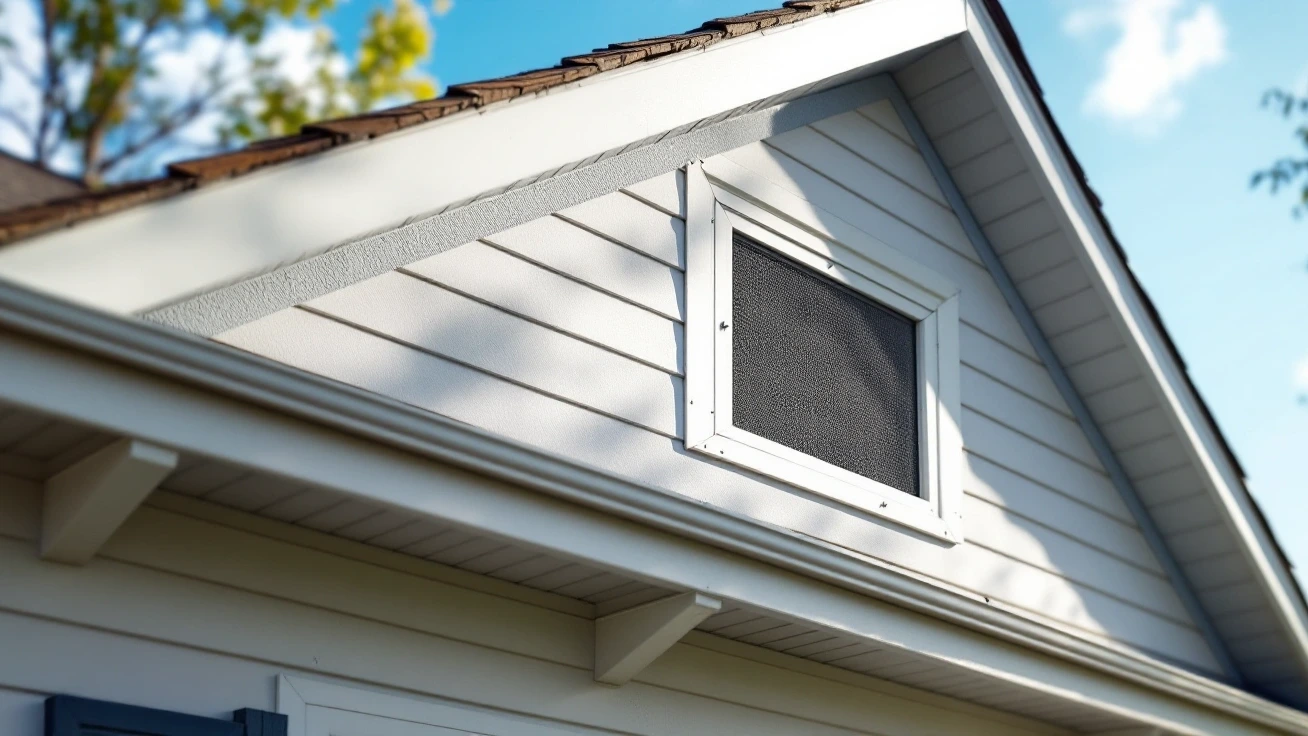
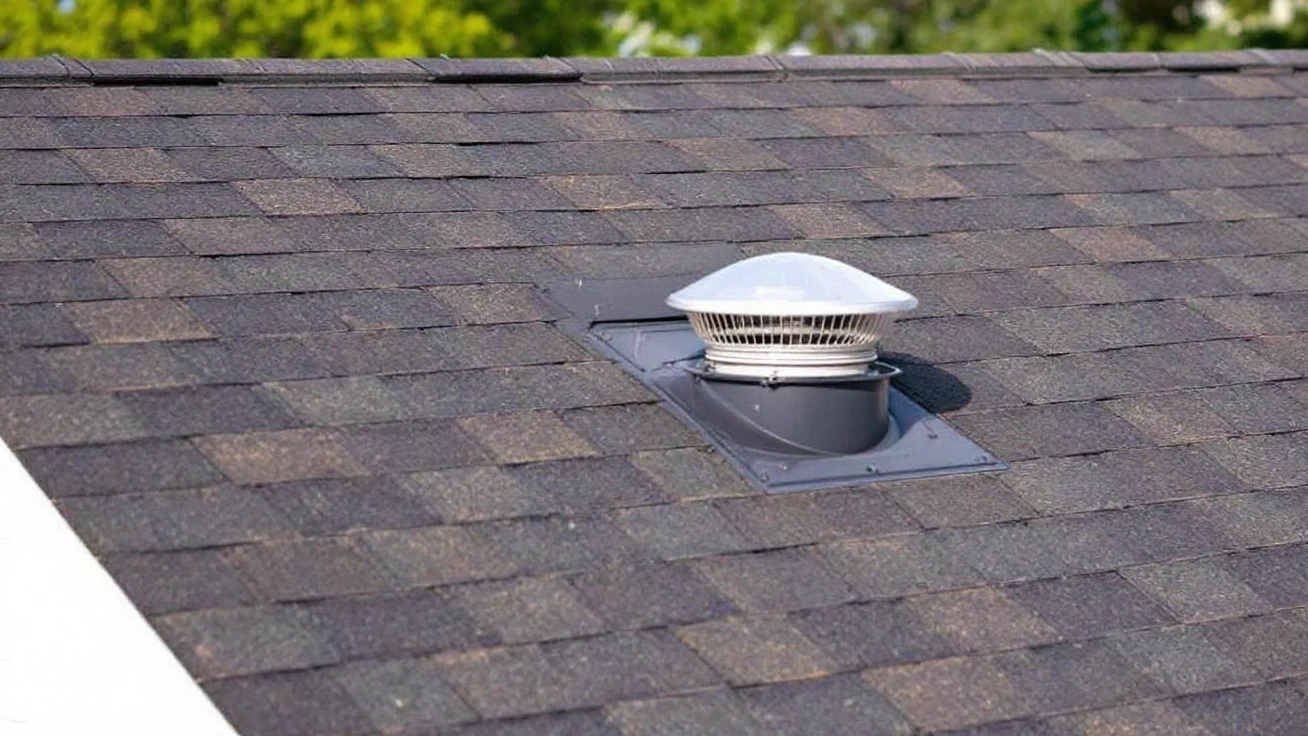
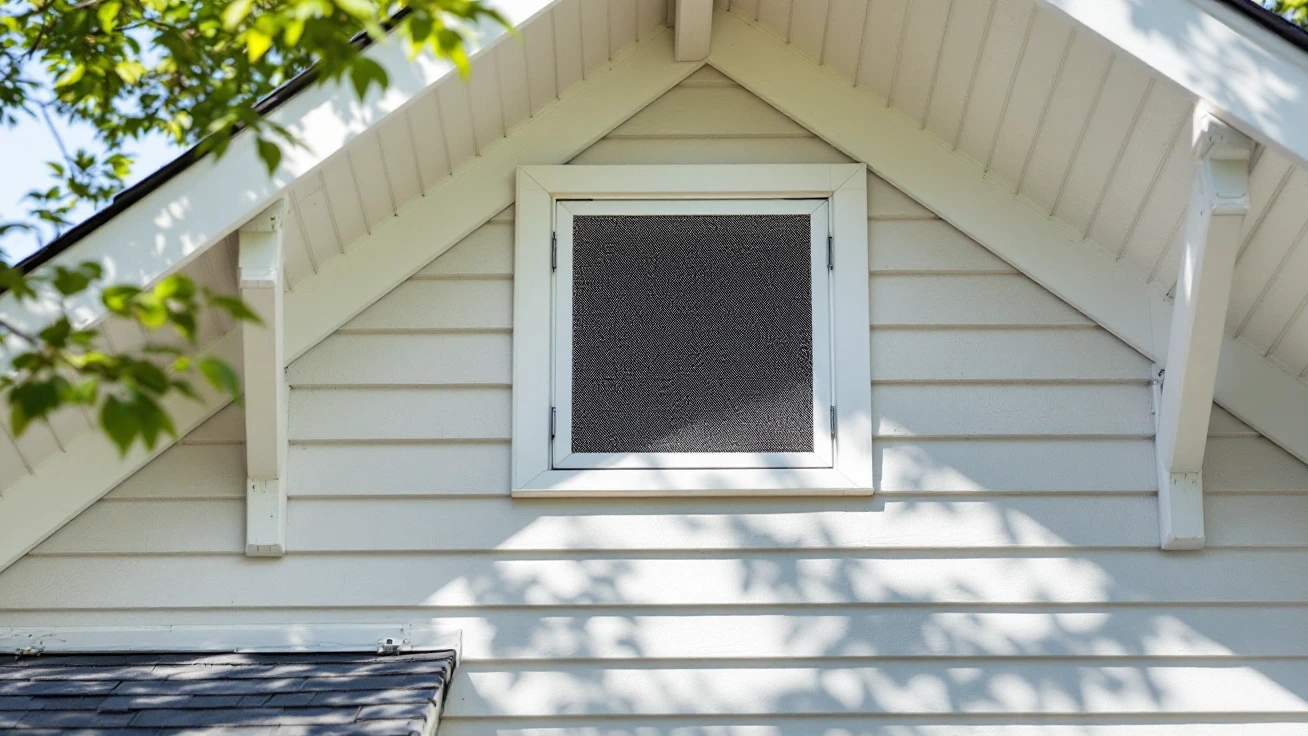
Compare the Master Flow roof unit for planned roof exhaust, EZ Cool for a suitable gable, and QuietCool ES-3.0 for a smart gable layout. Outdoor intake and ceiling sealing come first.
The best attic fan fits a checked vented-attic plan. It cannot fix blocked outdoor intake or leaks from the house. These choices cover roof exhaust, plug-in gable exhaust and a smart gable model. We compare current catalog variants with official guidance.
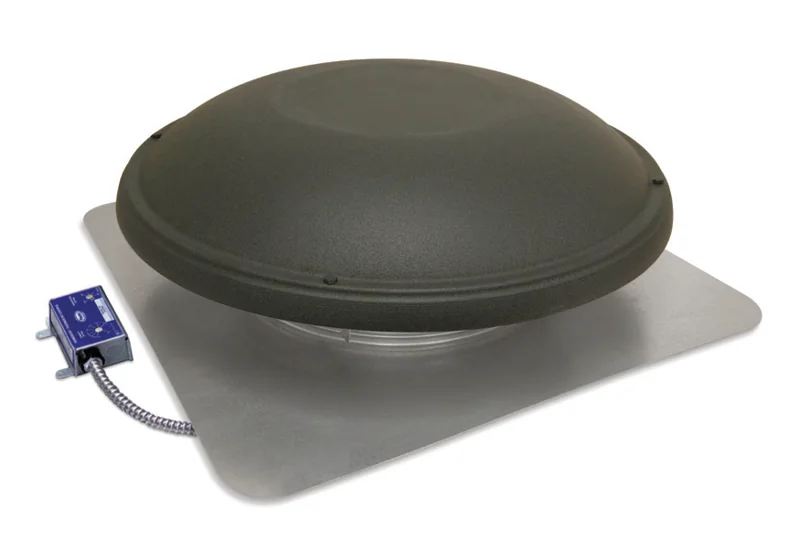
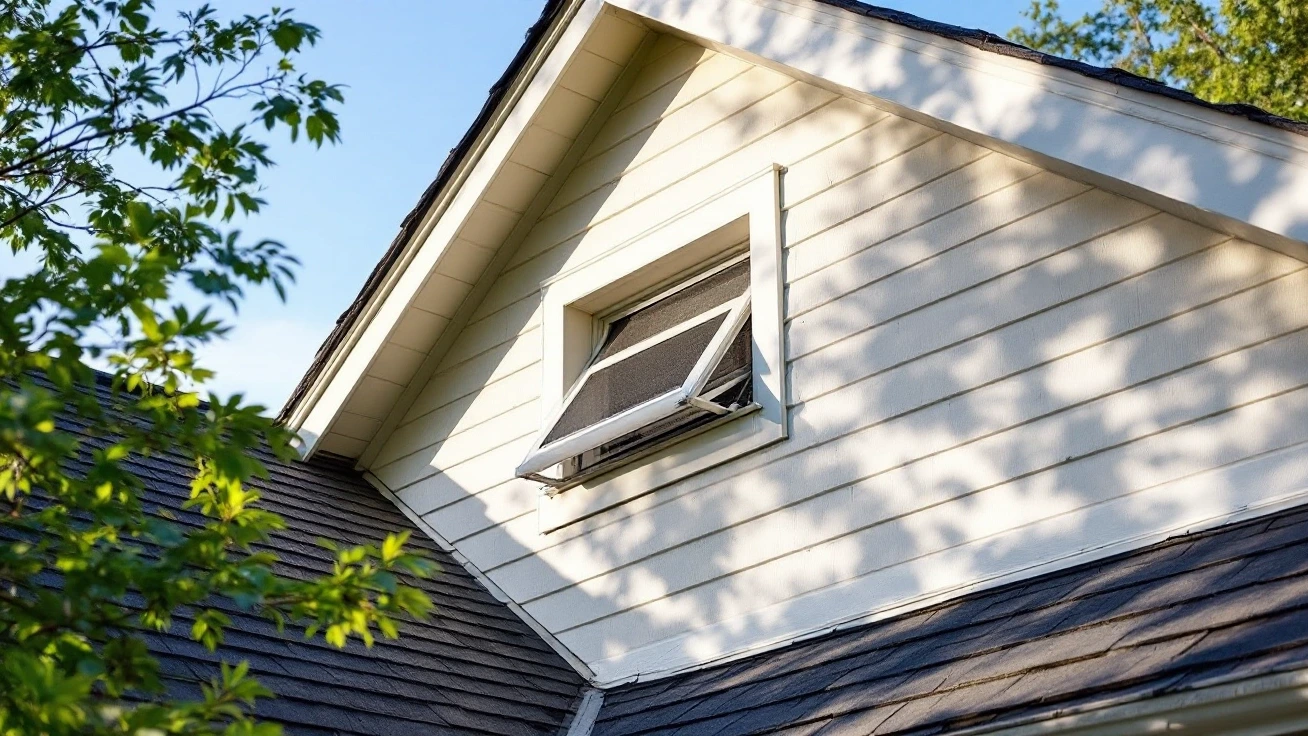
1. Master Flow Roof Fan with Thermostat: standard roof exhaust
Keep in mind: Confirm dimensions, installation scope and suitability with current manufacturer documentation before purchase.
This Master Flow option belongs on the roof-exhaust shortlist. Its thermostat is a control choice, rather than evidence that the house needs powered ventilation. Compare it where the roof opening and weather-sealing work are part of a checked plan. The stated roof-material limit matters before capacity.
Keep the exact unit with its installation sheet. An existing roof fan does not prove that its old opening will suit this replacement. Ask the work scope to identify the housing and flashing arrangement. Check intake and service access at the same time. These checks can change the choice before equipment is ordered.
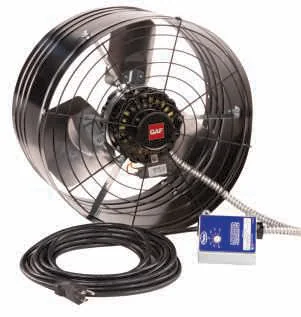
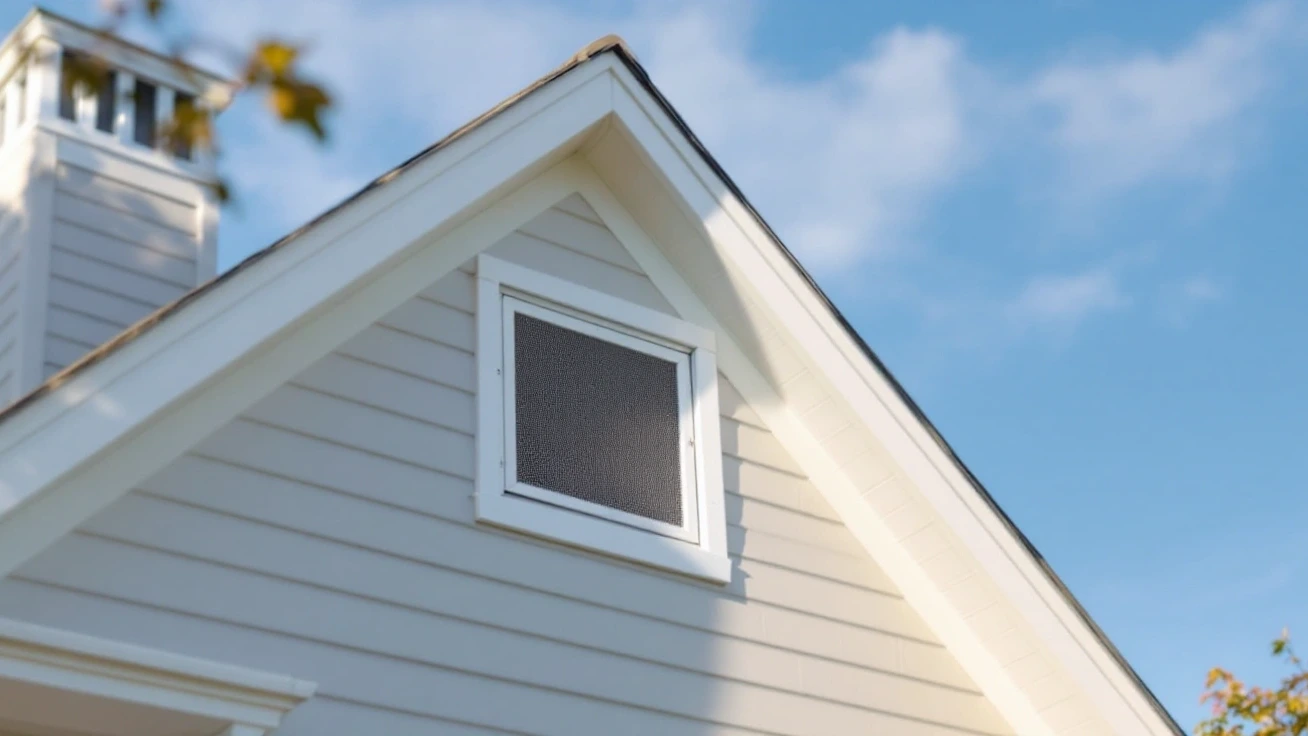
2. Master Flow EZ Cool Gable Fan: plug-in gable exhaust
Keep in mind: Confirm dimensions, installation scope and suitability with current manufacturer documentation before purchase.
EZ Cool uses a gable mounting arrangement. That makes it a different building choice from the roof option above. Its plug-in package does not establish that the existing outlet or wall opening is suitable. Match the supply and mounting instructions to the actual house before treating it as a straightforward replacement.
The thermostat provides an operating trigger. It does not diagnose attic dampness or a room-comfort complaint. Keep those concerns in the building assessment. A compatible louver and outdoor intake remain part of the plan even when the product can be plugged into an existing suitable supply.
Keep in mind: Confirm dimensions, installation scope and suitability with current manufacturer documentation before purchase.
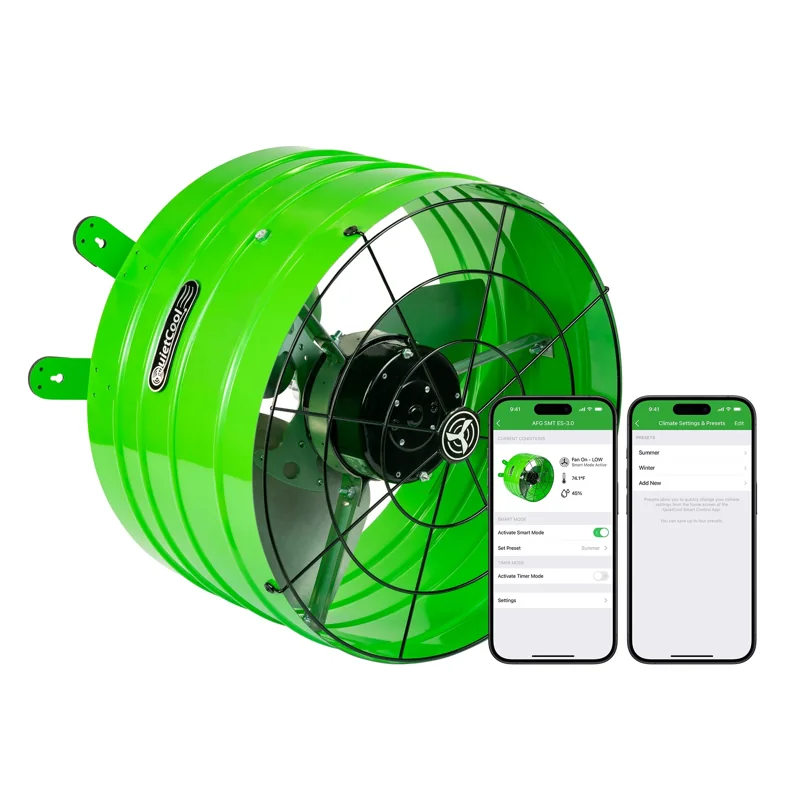
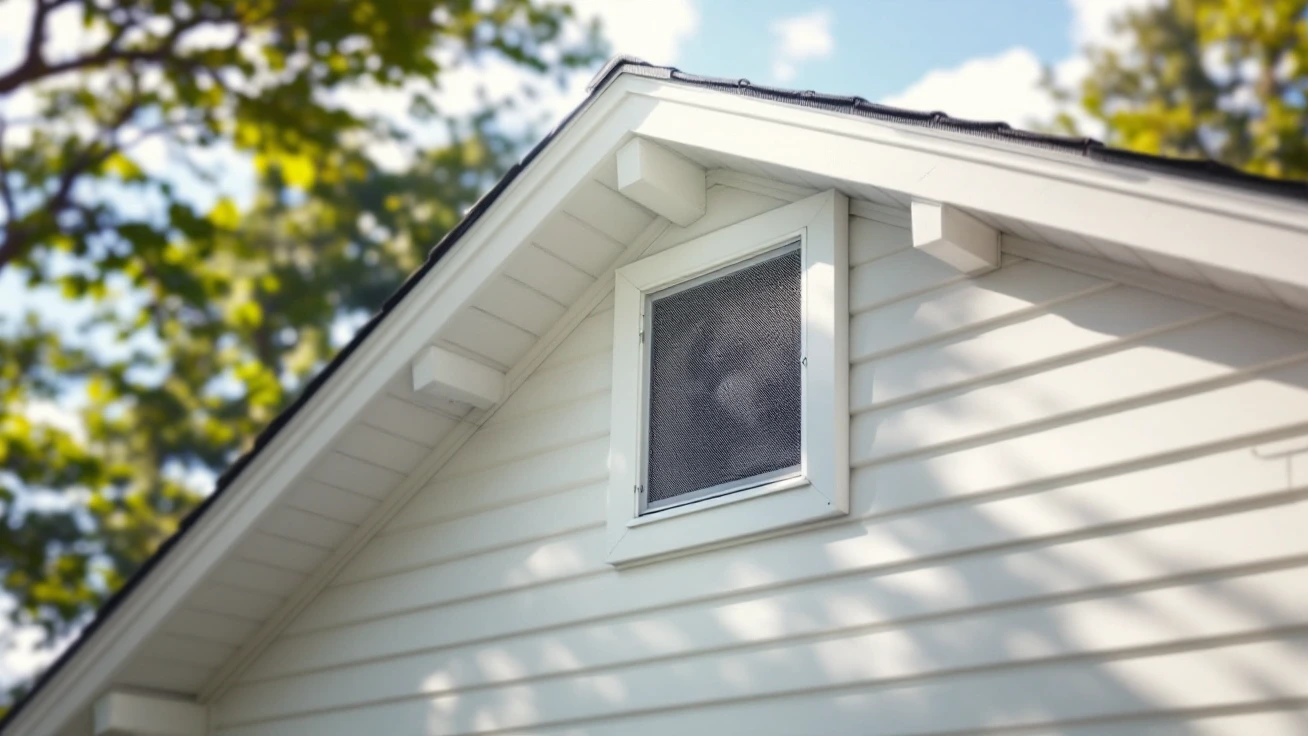
AFG SMT ES-3.0 adds operating-speed choices to a gable exhaust layout. Compare its control package after the wall opening and intake have been checked. The extra control functions can matter to the user, but they do not remove the need for a suitable air path.
Keep airflow and power figures with their own operating states. A low-input figure cannot be paired with the highest-flow state unless the source explicitly does so. No matched installed-sound result ranks this fan above the other choices here. Choose it for documented fit rather than an assumed noise or bill-saving result.
Factors to consider when choosing the best attic fan
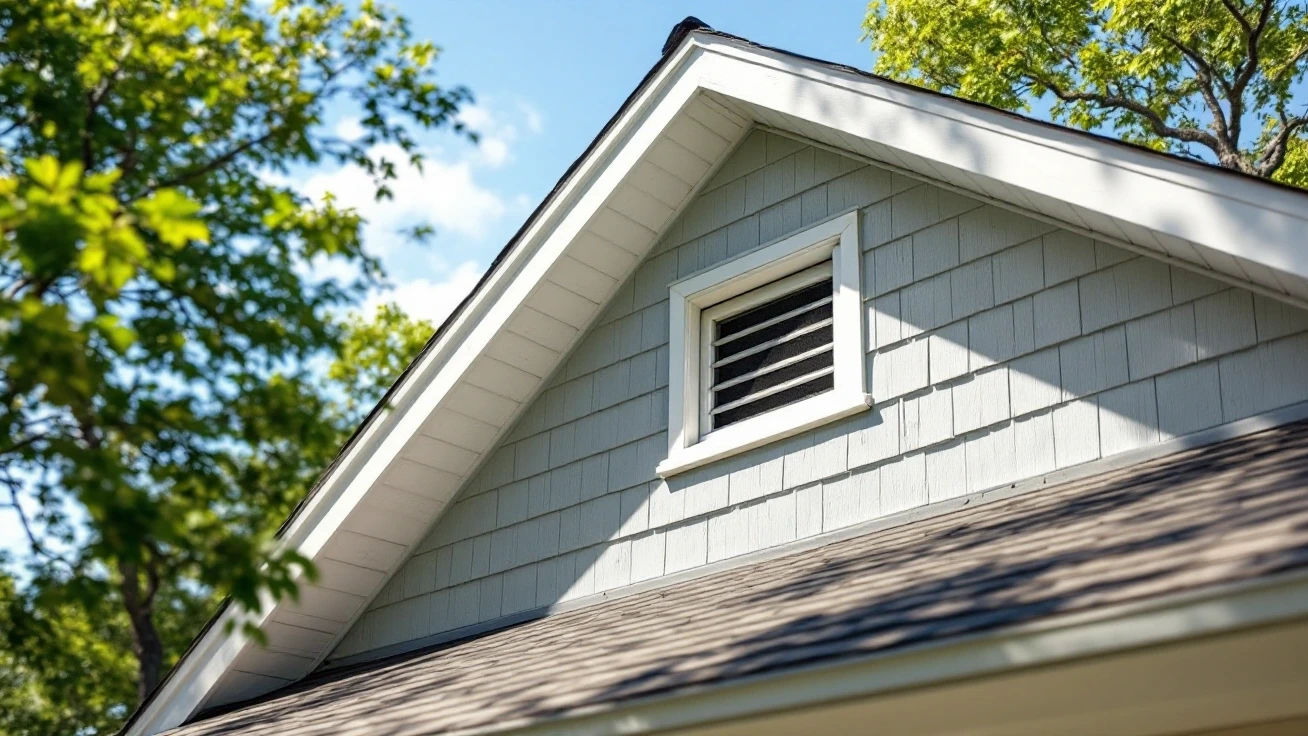
Start with the building. A vented attic intentionally has paths to outdoor air. An unvented attic uses a different roof assembly and air boundary. A fan exhausting from a sealed attic may work against that design.
Identify the assembly before choosing roof or gable exhaust.
Intake before headline capacity
Use the exact model's stated intake needs. Those values belong to its installation documents. They are not a universal CFM-to-intake formula for all fans. If another maker uses a different method, keep that method with its model.
Do not mix capacity from one sheet with intake from another to make a product appear easier to install.
Existing vent free area may be unknown. A grille's outside length and height only show its gross face area. The open portion is smaller. Look for the maker's net-free-area rating and confirm the passage behind the grille remains open.
If intake is blocked, find the cause. Insulation can close the eave channel. A screen can be clogged. Paint can cover a vent.
These observations point to different repairs.
Adding a more powerful fan before settling them may increase suction through unwanted paths. Do not treat an intake shortage as a motor-speed problem.
Ceiling sealing and room cooling
An attic fan is supposed to exhaust attic air. If the ceiling below leaks, the fan can pull air from rooms. That may remove air that has already been cooled or heated. It can change pressure in the house too.
Check ceiling penetrations and the complete air boundary as part of a ventilation assessment.
PNNL's attic ventilation guidance describes these limits and generally favors passive venting. We include powered units because their mount and control choices can fit a planned task. We do not assume powered exhaust is the right default. A fan shortlist cannot substitute for that building decision.
If the goal is to replace warm room air with cooler outdoor air, look at whole-house cooling. That system needs open windows and a checked discharge path. It may suit certain outdoor conditions and may be unsuitable when outdoor air is smoky or damp. Our homepage picks address that separate task.
Power and service access
List the approved electrical route with the mount. Confirm who will fit the supply and controls, what permits apply and how the fan is isolated for service. A thermostat can start it unexpectedly. An app setting that says “off” is not proof that electrical parts are safe to touch.
Think about future access. A failed control may be inside the attic. A roof housing or weather seal may need roof access. A convenient purchase today can leave awkward service later.
Compare which parts can be reached safely and which need specialized access. Record this in the installation scope.
Sound evidence and trade-offs
Sound measurements are only useful when their method is stated. Decibels and sones measure different things. A number at one speed or distance cannot fairly rank against a number with no test conditions. Leave the ranking unknown when the evidence does not match.
Our quiet attic fan guide shows which sound questions remain open.
Do not make a bigger fan the default. More rated flow may require more intake and create more sound or vibration. A larger motor can still fail to solve a blocked air path. Compare mounting and control behavior alongside capacity.
The system has to fit, not just the product label.
Choose the best attic fan by its actual air path
These names are often confused in product listings. An attic exhaust fan sits at the roof or gable and removes air from the attic. A whole-house fan takes room air through a ceiling grille or another approved inlet. It replaces that air through open windows.
The source of replacement air is the main difference.
That distinction changes the shopping process. If rooms stay hot at night, an attic fan is not automatically the answer. Check the outdoor temperature and humidity, then consider the indoor air route. If roof spaces are damp, find the moisture source.
A room-cooling fan is not a cure for a roof leak or a bathroom duct venting into an attic.
The whole-house versus attic-fan comparison supplies use cases for both. It keeps equipment costs separate from installation work. The two systems can need very different openings and controls even when a store uses “attic fan” loosely.
Safety and intake checks before operation
Do not operate a fan to test whether it will clear exhaust fumes. Fuel-burning appliances and pressure paths must be assessed before use. A fan that pulls air from the house can affect draft at equipment that uses room air. A carbon monoxide alarm is not proof that the installation passed a safety check.
Keep away from moving blades and exposed wiring. Roof-mounted models can have unguarded parts. The fan can start from a heat or humidity control while it seems idle.
Solar units can become active when sun reaches the panel. Some have a second household-power route. Follow the exact isolation instructions for the complete unit.
Our danger guide covers stop signs. Fumes, electrical heat, repeated breaker trips and severe vibration are reasons to stop. Do not recreate the symptom by restarting. Record what happened and leave diagnosis to a safe service process.
Choosing another fan can wait until the cause is clear.
Vented and unvented scenarios
A house with clear low intake, a checked ceiling boundary and an agreed roof-exhaust plan can compare a roof unit's documented fit. A house with a sound gable and suitable louver can compare a gable-mounted unit. The choice is conditional on those facts. A motor listing alone does not establish them.
A sealed attic with insulation at the roof deck needs a different assessment. Do not add outdoor exhaust because the space feels warm. It may contain equipment or be within the home's air boundary. Follow the roof assembly's design.
Our attic ventilation guide explains why passive and powered venting cannot be applied to every roof in the same way.
An attic with roof staining needs a diagnosis first. A roof leak and indoor air reaching cold sheathing can both leave visible marks. Their remedies differ. Ventilation may be one part of the response, but replacing a thermostat does not identify the cause.
Compare complete installation scopes rather than equipment alone. A roof fan may require a new penetration and flashing. A gable fan may require louver or wall work. Either may need a new supply or control.
Intake changes may be needed too.
Ask the quote to list what is included. An unlisted item is unknown, not free.
Our installation cost guide separates those items. It does not present a national total as your quote. Our installation guide explains the assessment and handover details. Bring the model and manual to the same conversation as the roof and vent plan.
For an existing fan, identify why it is being replaced. A failed motor is different from unsuitable mounting or too little intake. The new unit may need a different outlet or more intake. Reuse should be confirmed, not assumed.
Keep the current warranty with the purchase record. Confirm the model and which parts or labor are covered. GAF's intake bulletin separates a manufacturing defect from damage related to insufficient intake or poor installation. Read the exact warranty too.
No warranty summary should be treated as a promise that all service and roof costs are included.
Repairs and noise records
Record symptoms from a safe place. A sound that appears at one speed may point to a different path than rattling in wind while the fan is off. Keep dates and conditions with the model. Do not reach into a fan to make the sound stop.
If a repair is considered, ask for the diagnosed fault and matched part. Repair cost separates the visit from parts and access. The repair guide keeps live electrical work outside homeowner checks. A cheap spare part is not proof that the repair is simple or suitable.
How We Picked
GAF sources identify roof and gable models with stated intake requirements. QuietCool's current family record identifies the controlled gable model. We keep identity separate from measured performance.
No rating, star count or customer-review claim was used to fill an evidence gap.
The order shows different tasks rather than a universal rank. Roof fit comes first for one home; a usable gable can matter more for another. The controlled-speed option adds operating choices. Those choices need exact documentation before selection.
None overcomes an unsuitable attic assembly.
Source checks are dated in the product records. If a guide changes, the exact model and revision should be reviewed together. We do not silently blend figures across revisions. Corrections can be sent through contact with the model and exact source.
Identify the disputed fact too.
Record the building before asking for a model
Use a short written record to keep the system facts together. Start with the attic assembly and the planned job. Is the goal attic exhaust, or is it cool outdoor air through rooms? Mark an unknown answer as unknown.
That keeps an incomplete roof assessment from becoming a confident product recommendation.
Identify the assembly and boundaries
Record where the insulation sits. Insulation on the attic floor often goes with a vented roof, but that observation alone is not a complete assembly check. Roof-deck insulation can belong to an unvented design. Mixed alterations can leave uncertain boundaries.
Use existing building records where they are available, then resolve anything that the visible condition does not explain.
List equipment in the attic without treating its presence as a reason to add exhaust. A duct system and a fuel-burning appliance create different questions. An appliance may have its own combustion-air and venting arrangement. Do not alter that arrangement to accommodate a fan.
A safe design has to account for all the equipment it can affect.
Ceiling penetrations can include light fittings. Pipes and access hatches can leave gaps too. Each has its own sealing and clearance requirements. An attic fan project is not permission to apply foam around every object.
Hot flues and certain fixtures need specific treatment. Document where the assembly instructions need to be confirmed rather than turning a ventilation shopping list into a general air-sealing instruction.
Map intake by location, not just total
A total free-area number does not show where the vents are. Draw the attic outline and mark each known opening. Distinguish low intake from high exhaust. Record which rafter channels appear blocked from a safe viewpoint.
Do not assume a vent is connected to the main attic because its grille is visible outdoors.
A roof divided into separate spaces can have air paths that do not reach one another. A garage attic may be separate from the house attic. A finished room under the roof can leave narrow rafter channels beside it. The fan location should serve the space that was assessed.
A whole-roof area number can conceal those divisions.
Where a vent rating is unavailable, leave its free area unresolved. Guessing that every grille is half open can make a neat table but an unreliable decision. The rating already accounts for the vent's screen and louvers when it is supplied by the maker. It still does not account for blocked insulation behind the vent.
Keep rating and condition as separate fields.
Describe the old fan without diagnosing it
For a replacement, record the exact model from safe paperwork or access. Include the mounting type and existing control. Note whether the opening has been modified. A label from the old motor may not describe a complete original fan assembly if parts were changed in the past.
The service scope should confirm what is actually installed.
Write symptoms as observations. “Rattle on startup” describes an event. “Bad bearing” asserts a cause. The first is useful before a diagnosis. The second may steer a quote toward a part that does not address the problem.
Keep the sequence and conditions rather than guessing which part failed.
If the fan stopped after roof work, record that timing. It does not prove the roofer caused a fault. It does make changes to the mounting relevant to the inspection. Wiring and vent changes need a check too.
A replacement quote that ignores the timing may miss a blocked intake path or disturbed weather seal. Keep the photos and work records together.
Compare complete written scopes
Keep a copy of each dated quote rather than only a total written on a note. A later model substitution should trigger a fresh check of the matching manual. Ask for the new model name before it is fitted. Check whether the agreed intake and mounting work still suit it.
Ask each proposed installation to name the fan and full model suffix. Ask which manual governs the work. The quote should identify any new opening, the weather-sealing method and the safe supply route. If existing parts will be reused, the scope should state which ones and why they remain suitable.
Avoid comparing an equipment-only price with a complete roof job.
Identify unresolved costs before authorizing work. A permit may depend on the jurisdiction and job. Decking damage may not be visible until an old roof unit is removed. Intake work may be needed after the attic assessment.
None of these should silently become a zero in your comparison.
Ask how further work is agreed before it begins.
Handover should include the isolation method and control instructions. Anyone using the attic needs to know a fan can start on its own. Keep service access clear without disturbing insulation or required fire clearances. Store the manual where it can be found from the house.
A motor label high in the attic is a poor substitute for an accessible record.
Review the result without inventing a saving
After the installation, keep the commissioning record. It should explain what was checked against the manual, including controls and the intended intake path. A photograph of the finished roof is not that record. A fan that spins is evidence of motion, not proof of useful flow throughout the attic.
If the concern was room comfort, record room conditions separately from attic air temperature. Those are different measurements. Weather, thermostat use and household behavior can change both. One cooler afternoon is not a controlled energy comparison.
Treat a bill-saving claim as unresolved unless there is suitable evidence for the same house and use pattern.
If dampness or noise continues, return to the original symptom record. Do not keep raising speed or lowering the heat threshold without finding the cause. A fan can operate exactly as its control directs while the building issue remains. The appropriate next step may be a roof repair or intake correction.
It may also be a decision to stop using powered exhaust.
Compare the choices with a written fit sheet
A useful fit sheet makes the reasons for a choice easy to revisit. Put the same fields beside each candidate. Leave a field blank if the source does not settle it. A missing answer is a reason to check the fit, rather than a reason to award that model an average score.
This avoids a total score that hides a failed requirement.
Separate requirements from preferences
Start with requirements that a fan must meet. These can include the approved mounting position, an available intake route and the ability to reach the unit for service. A model that fails a required item should leave the list. An app or an attractive housing cannot make up for an unsuitable opening.
Do not let a long feature list outweigh a short list of essential building facts.
Then list preferences. You might prefer local controls, a different power route or fewer parts that need roof access. A preference can break a tie between suitable choices. It cannot establish that either choice is safe.
Keep the two lists apart so a convenience does not become the reason to accept unresolved roof or wiring work.
Write down who will use the control. A person who maintains the house may want a simple way to identify the active mode. Another household may want to view sensor information. Those are different needs.
Ask for a demonstration of the exact supplied controller. Do not assume that a controller in a product photo is part of the package on the selected ASIN.
Give each figure its own context
For airflow, record the model suffix and speed beside the figure. Add its test basis if the source supplies one. For power, keep the corresponding operating state. A lowest-power figure and highest-flow figure may describe different states.
A comparison made from those two extremes can suggest an efficiency result that neither source actually states.
Do the same for coverage. Treat a stated floor area as a manufacturer's selection claim with its own conditions. It is not a measurement of your attic. Do not use it as a substitute for an intake check.
If an area claim has no clear basis, keep that uncertainty on the sheet instead of turning it into a precise recommended home size.
For sound, record whether the source gives a unit, speed and test setting. If those details are missing, write that a matched comparison is unavailable. A quiet description may explain a maker's intended benefit. It does not give you a fair ranking against another product measured in a different way.
Ask which evidence belongs to the actual package before paying for a claimed noise improvement.
Keep the purchase package and work scope together
Record what the exact offer includes. Separate the fan, control, mounting parts and any power accessories. This is a checklist to confirm against the current package, not a promise that every item is supplied. Keep the document date and model with the list.
A similar family name can refer to a different control or mounting arrangement.
Next, record the work needed at the house. A usable roof opening does not prove that its flashing suits a new housing. A visible gable louver does not prove that its clear area meets the selected fan's need. A nearby outlet does not establish that the intended supply is suitable.
Put these questions into the work scope so they are settled before equipment is ordered.
Ask how a proposed substitution will be handled. The same outside dimensions do not establish equal intake needs or control behavior. If a different fan is offered, compare its own documents from the start. Keep the old quote as a record, but do not carry over its assumptions without checking them.
A substitution should leave a clear trail from model to instructions to building work.
Use scenarios to check the recommendation
Consider an attic with an existing roof fan and no reported roof leak. The homeowner wants a new motor because the old one makes noise. The next step is to identify the assembly and fault. Buying another roof fan first could miss a loose mount or an intake problem.
A complete replacement might still be suitable, but that result follows the assessment. It does not follow merely from the fact that a roof hole already exists.
Now consider a home with a sound gable opening and no roof penetration. A gable candidate can be worth comparing because its location may suit the proposed exhaust route. Check the louver and inlet path before treating it as the easier job. Ask how the unit mounts and how it is reached later.
The roof candidate remains an alternative only if the full roof scope makes sense for that house.
A third homeowner mainly wants cooler bedrooms after sunset. That is a room-comfort question. Do not choose an attic exhaust fan simply because the attic feels hot. Check the cause of the room problem and the role of the ceiling boundary.
If the intended solution is outdoor air through rooms, use the separate whole-house cooling route. This shortlist does not turn attic equipment into a room-air system.
For a home with roof staining, pause the product comparison. Record the location and when the marks were noticed. A powered fan listing cannot distinguish a roof leak from another moisture path. Find the cause before deciding that more exhaust is the remedy.
Keep the roof and indoor-air questions together, since a new motor cannot supply the missing diagnosis.
Plan the control handover
Ask the handover to show the actual operating modes and what can trigger a start. Keep a written record of the supplied control instructions. A control that responds to heat may behave differently from a simple manual switch. Users should know which mode they selected and where to find the guide when the behavior seems unexpected.
Confirm how safe isolation is identified. Do not rely on an app display or a stopped blade as proof that the fan cannot start. The complete power arrangement matters. The service instructions should cover the actual unit rather than a related model.
Keep this information available outside the attic so nobody has to approach the fan just to work out how it is supplied.
Write down what remains unknown after handover. That could be the old vent's documented free area or the cause of a separate room-comfort complaint. A finished installation does not make every earlier question disappear. Keep unresolved items distinct from checks that were completed.
This makes a later service visit more useful and keeps the product recommendation honest.
Decide what would change your choice
Before ordering, state what new information would change the decision. A failed intake check might remove all three fans from consideration. A roof condition could favor a compatible gable plan. An unavailable control function could favor a simpler package.
This is more useful than defending the first model you liked after the building facts have changed.
Keep the same approach after installation. If the original problem remains, revisit the problem record and work scope. Do not assume that a stronger fan is the next step. Compare what was promised with what was actually checked.
A clear outcome can be a corrected air path, a different building repair or a decision that powered attic exhaust does not suit the house.
Set a clear reason to stop the purchase
The fit sheet should include a stop point. If the attic assembly is still unknown, do not turn a tentative shortlist into an order. Settle any roof-opening repair with the fan plan. A room-comfort complaint also needs to stay separate from an attic-temperature observation.
Each unresolved issue changes what a useful recommendation would mean.
Treat an unclear manual as an open item too. Match its full model list with the actual package. Ask which instructions govern any supplied control. Save the answer with the work record so it can be checked later.
A family brochure can explain the range without settling the installation details for each version in it.
The next action may be a document check rather than a purchase. Bring the fit sheet back to the shortlist once the missing item is settled. Compare the same requirements again, using the updated facts. This keeps the choice tied to the house and avoids paying for a feature that cannot address the original problem.
The best attic fan for a planned roof outlet may differ from the choice for a suitable gable. Compare the Master Flow roof unit, EZ Cool gable unit and QuietCool ES-3.0 by that route. Outdoor intake and ceiling sealing come first.
FAQ
What is the best attic fan for every home?
There is no documented universal winner here. First confirm a vented assembly, enough outdoor intake and a sound ceiling air boundary. Then compare mounting and control fit. A house that needs room-air cooling is considering a different task from attic exhaust.
Passive venting may be the better first option.
Does a larger attic fan always cool more effectively?
Higher rated flow does not settle the building result. Intake can restrict actual flow, and ceiling leaks can draw air from rooms. Match the exact fan's intake requirement and mount. Do not equate a larger label with a measured saving or a suitable installation.
Should I use a roof fan or a gable fan?
Use the location that fits the complete ventilation plan. Roof mounting adds weather-sealing work. Gable mounting depends on a compatible louver and wall opening. Existing vents and nearby openings can affect the air path.
Neither mount is a universal shortcut around intake and ceiling-sealing checks.
Can an attic fan replace air conditioning?
An attic exhaust fan does not directly exchange the air in occupied rooms. A whole-house fan can do that through open windows, but needs suitable outdoor air and safe installation. Do not treat lower attic air temperature as proof that a room's cooling and humidity needs are met.
Which choice is quietest?
No matched sound test supports that ranking in this comparison. Check the exact operating speed and test basis before comparing numbers. Mounting and vibration can change sound indoors. A variable-speed fan may offer a lower-flow mode, but that is not a verified installed-noise result.