3 Attic Fan Options: Are Attic Fans Worth It in 2026
The short answer
Repair blocked intake and ceiling leaks first. Compare roof or gable exhaust only where a checked vented-attic plan calls for it. No payback or AC saving is established here.
Are attic fans worth it? Only a building-specific need and sound air path can justify one. A hotter attic alone does not prove a fan will lower the cooling bill. These three choices show different powered-exhaust layouts after the ceiling, intake and existing vents have been checked. We use published data rather than house tests.
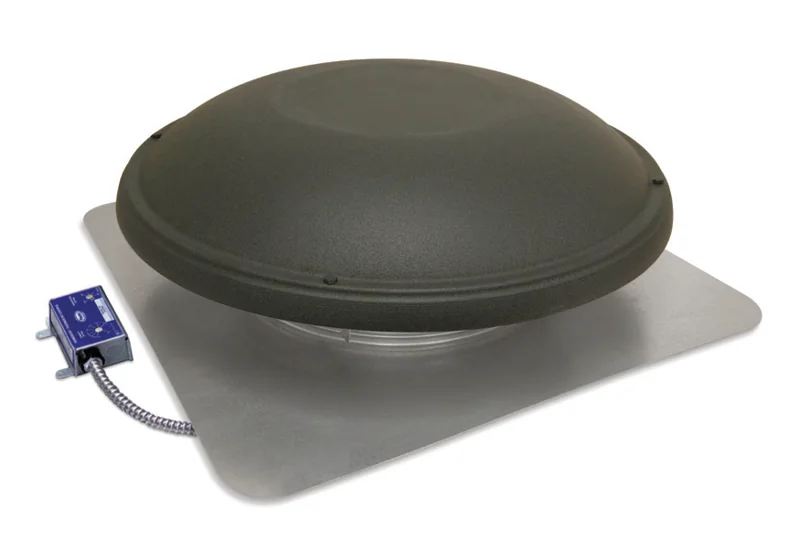
1. Master Flow Roof Fan with Thermostat: standard roof exhaust
Keep in mind: Confirm dimensions, installation scope and suitability with current manufacturer documentation before purchase.
The Master Flow roof option illustrates a thermostat-controlled powered-exhaust job. Include the roof opening, supply and intake work in its value comparison. Its listed flow is not a measured reduction in the house's cooling load. A complete price and a supported benefit are separate inputs.
Consider it only where the assessed roof and attic suit powered exhaust. If the real problem is a leaking duct or ceiling gap, include that repair first. Buying a motor does not establish that the original fault has been addressed.
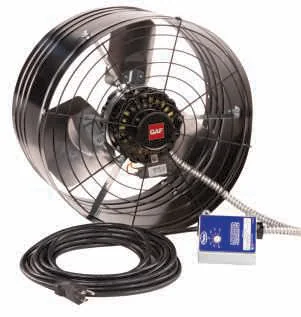
2. Master Flow EZ Cool Gable Fan: plug-in gable exhaust
Keep in mind: Confirm dimensions, installation scope and suitability with current manufacturer documentation before purchase.
EZ Cool illustrates the gable installation route. Its plug-in arrangement can change the work scope, but it does not make labor or electrical checks free. Compare the full wall-opening and intake task with the roof alternatives before judging equipment price.
A suitable existing opening may be useful, while a damaged louver can add work. Keep those states explicit. The value question is whether this complete project solves an identified need, not whether the package has fewer visible parts than a roof fan.
Keep in mind: Confirm dimensions, installation scope and suitability with current manufacturer documentation before purchase.
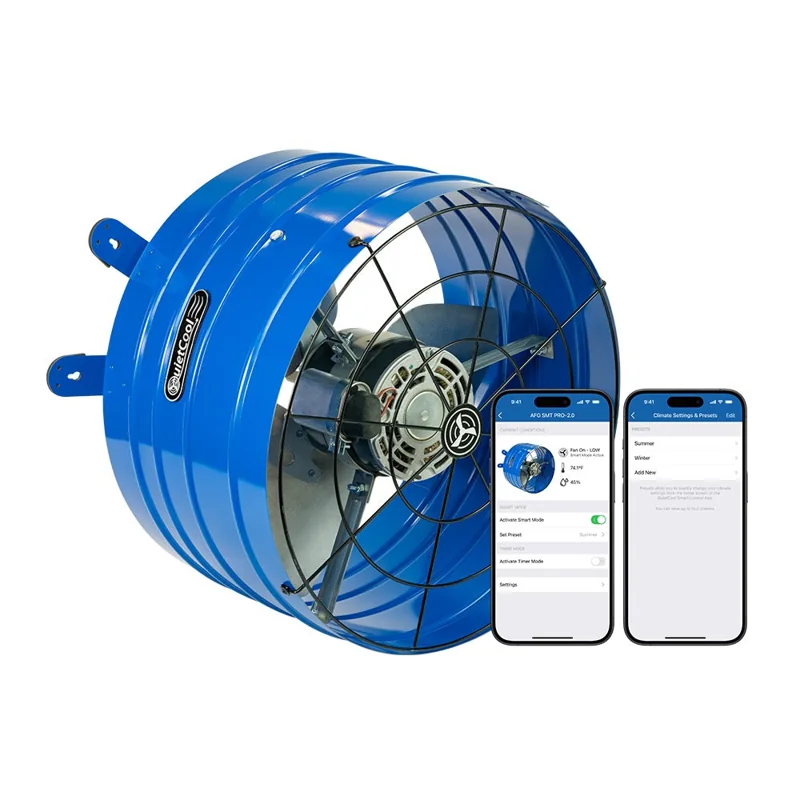
The QuietCool smart gable option adds a control choice to the comparison. Pay for a function only where the exact guide documents it and it serves your operating plan. A smart label alone supplies no measured payback or room-temperature result.
The gable support and intake still need to fit. Include service access and the normal control method in the comparison. A richer interface can be useful without being an energy investment. Keep that practical benefit separate from household savings that remain unknown.
Factors to consider: are attic fans worth it for this attic?
First, name the problem. A hot attic in summer does not prove that powered exhaust is missing. In a vented attic, the ceiling separates room air from the roof space. Heat reaching the rooms can depend on insulation and air leaks too. Attic temperature is only part of that picture.
Find the cause before treating a fan as the remedy.
PNNL's attic fan guidance explains the risk of drawing conditioned air through ceiling leaks. A motor may remove hot attic air while also pulling cooled room air into that space. Its own power use is only part of that result. A lower attic temperature alone is not a measured household saving.
Outdoor intake comes first
Find the intake vents. Check their stated net free area. Then check that the path behind each one is open. A louver's outer size is not all open space. Insulation, screens and paint can block a route shown as clear in an old drawing.
A new fan cannot create an inlet through a solid soffit. Where intake is blocked, clearing the approved route may be the relevant work. Where no suitable intake exists, the roof design needs a different decision. Use the ventilation requirements guide to separate known ratings from unknown existing openings.
Consider the existing exhaust route
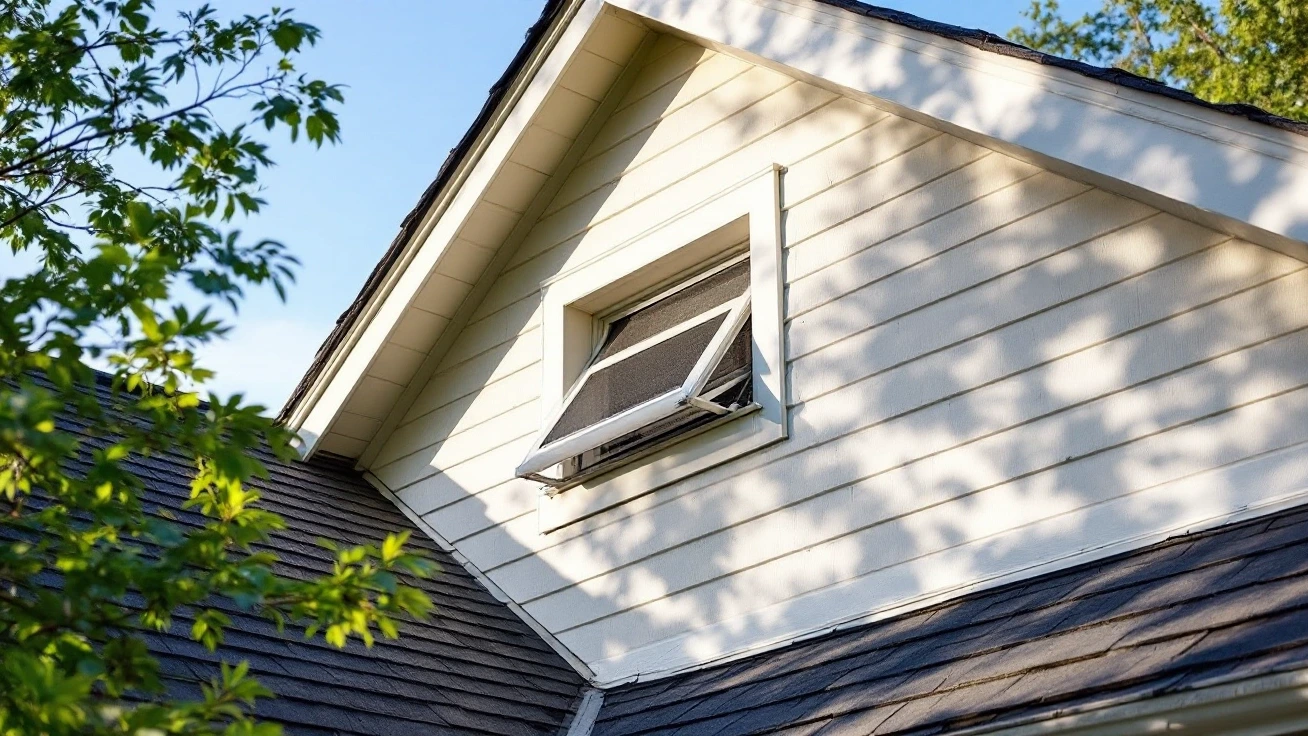
A ridge vent or another high outlet may already serve the attic. A new powered roof or gable outlet can change where replacement air comes from. A nearby high opening may provide a short route to the motor rather than the intended path from low intake. The complete vent layout matters more than the number of installed vents.
If the attic is unvented, the premise changes. Do not fit a conventional exhaust unit to a sealed roof assembly by assumption. Identify the insulation and air boundary first. A product's area-coverage label does not determine whether that assembly should be opened to outdoors.
What would make an attic fan worthwhile?
The fan needs a clear task that suits the building. That calls for a sound outlet and outdoor intake. Check ceiling leaks and the power route too. The work plan should explain why passive vents or repairs alone cannot solve the problem. A new motor is a choice after those checks.
The three picks show how that case can differ. The roof option needs the correct roof opening and weather seal. The gable options depend on a usable wall opening and louver. Their control descriptions differ too.
Compare these details only after the building task is established.
Compare the complete expense
The product is not the full installation scope. Roof access, weather sealing, the supply, control location and any intake work can matter. A gable route has its own wall and louver requirements. A household comparison should use complete written scopes for the same task.
We do not invent an installed total from the catalog price of a motor.
Future service matters as well. A convenient controller may still be attached to a unit that is hard to reach. A roof opening needs its weather seal maintained as roofing changes. Record which parts can be accessed safely and what work is needed if a motor or sensor fails.
An attic exhaust fan is not a whole-house cooling fan. Its planned replacement air comes from outdoor attic intake. A whole-house fan draws suitable cool outdoor air through open windows in occupied rooms. Those systems have different inlets and outlets.
The words “attic fan” in a shop listing can obscure that distinction.
If the problem is warm rooms on cool evenings, compare the whole-house fan layouts. If the outdoor air remains hot or damp, bringing more of it indoors may not suit the cooling task. Neither fan type refrigerates or dries air like an appropriate air-conditioning system. Choose the actual comfort task rather than the larger airflow label.
Do not use a thermostat as evidence of savings
A thermostat responds to temperature at its sensor. It does not measure the change in the home's cooling demand. A lower setting can increase run time without resolving air leakage or restricted intake. A humidistat likewise responds to a sensed condition without establishing the source of moisture.
Roof leaks still need diagnosis and repair.
The thermostat-setting guide explains why a universal setting is not supplied here. Keep the exact model's guide with the selected control. Do not copy a threshold from another fan or use a longer run as proof that the system is working better.
How We Picked
We checked these three US catalog records on October 16, 2026. They show roof exhaust and two gable choices. Compare their mounts and controls after checking intake.
No before-and-after home energy or temperature test was performed.
Verdict: are attic fans worth it after the building checks?
Are attic fans worth it? A powered fan is a conditional equipment choice. Start by identifying the roof assembly, the air leaks and the actual intake-to-outlet route. Compare a model only if that assessment calls for powered exhaust.
A lower attic reading, a larger CFM label or an app does not establish lower bills. The main attic comparison organizes the hardware options.
FAQ
Are attic fans worth the money?
There is no household payback established by this comparison. The answer depends on the actual attic problem, the complete installation scope and how the system changes air movement and energy use. Check intake, ceiling leakage and existing passive vents first. A product wattage or attic coverage label does not supply the missing savings evidence.
Will an attic fan make my house cooler?
The units here exhaust attic air. They do not create the same room-air path as a whole-house cooling fan. Ceiling leakage and insulation affect heat reaching the rooms. No measured change in room temperature is claimed for these picks.
Identify the comfort problem and its source before treating roof-space exhaust as the answer.
Is a solar attic fan automatically more worthwhile?
Solar power changes the motor's power source, not the need for a suitable air path. Sun exposure and any backup-power arrangement also matter. A solar fan can still draw conditioned air through ceiling leaks. Compare the solar decision guide after the same intake and building checks.
What if my attic is damp rather than hot?
Find the moisture source before adding exhaust. Roof leakage, indoor air moving through ceiling gaps and exhaust ducts discharging into the attic need different responses. A humidistat does not identify those causes. Record the observed problem and repair scope, then assess whether the actual roof assembly also needs a ventilation change.