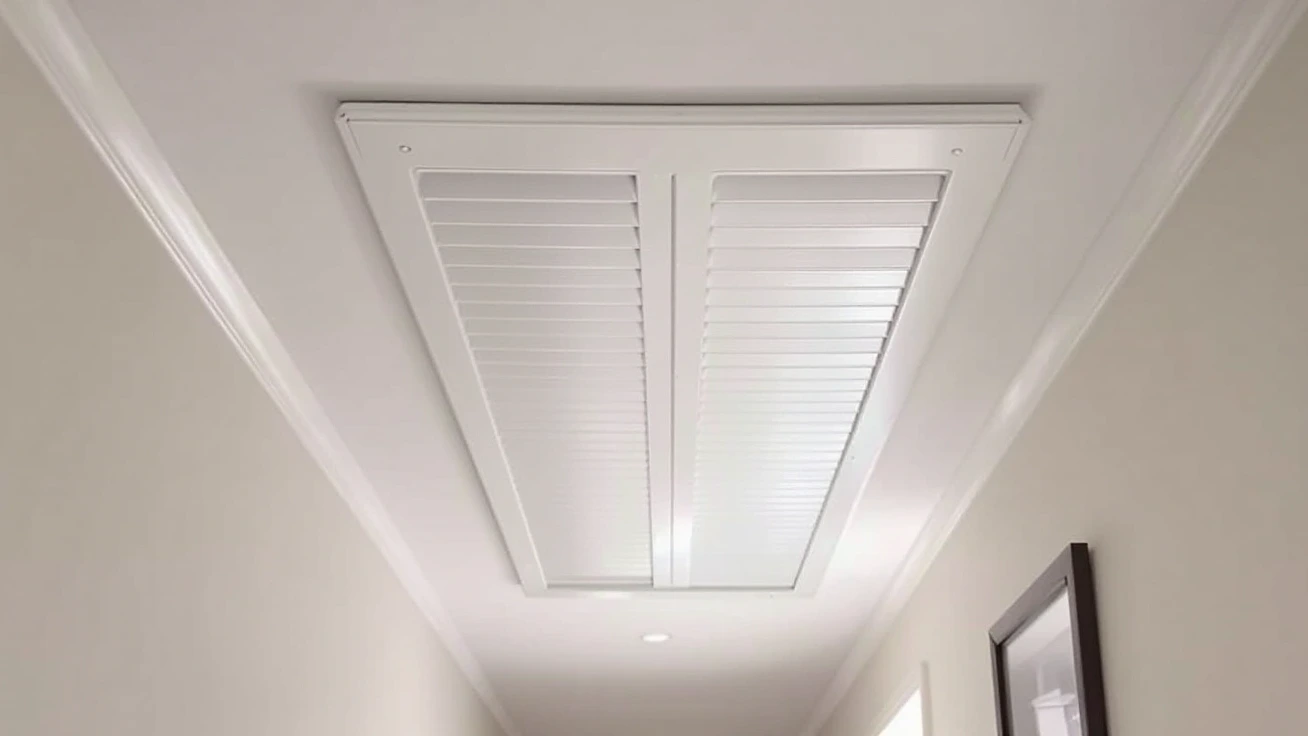
Choose a cover by the grille dimensions, attachment surface and off-season removal plan. Never run a fan behind a sealed cover or use one to block required attic vents.
An attic fan cover usually means a seasonal cover for a ceiling whole-house fan shutter. It does not mean sealing an active attic exhaust outlet. These three covers address different opening sizes and fastening needs. Measure the actual grille and read the removal instructions before choosing. No tested air-leakage or energy-saving result is claimed.
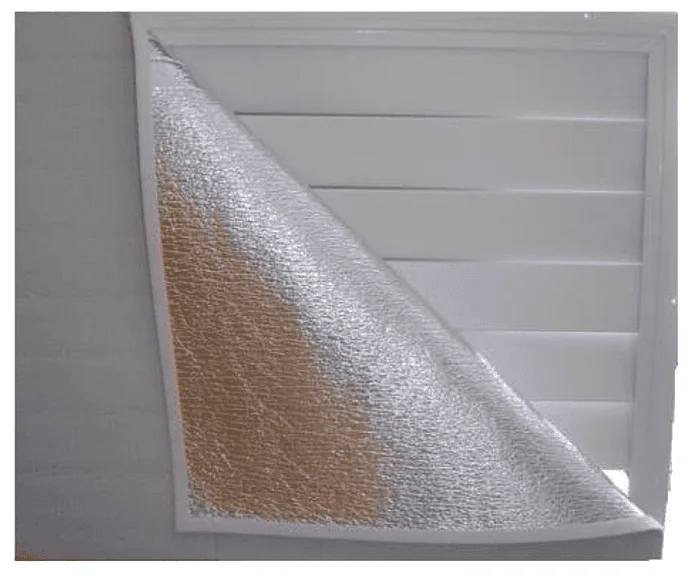
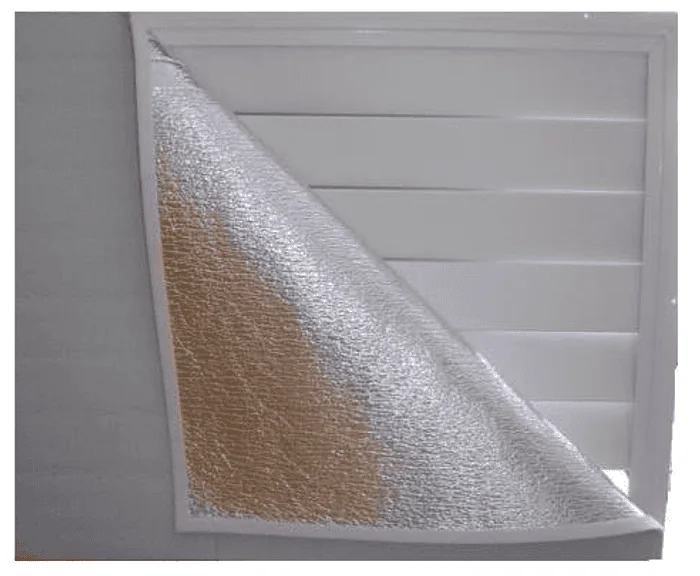
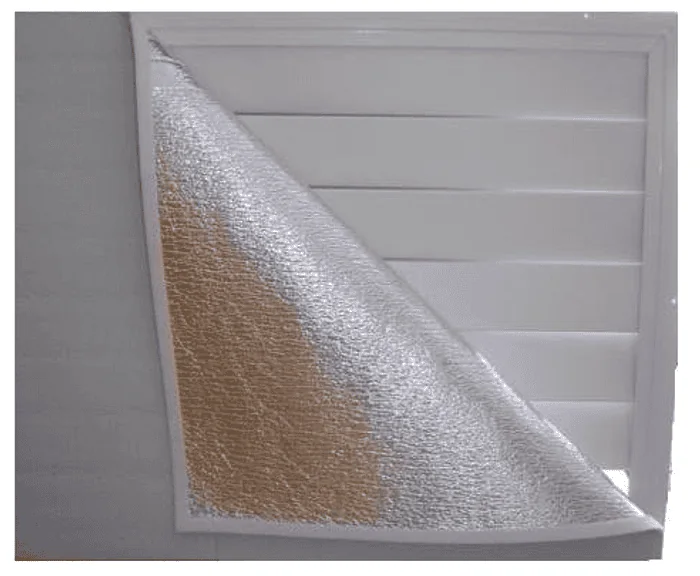
1. Battic Door Ceiling Shutter Cover: ceiling shutter seal
Keep in mind: Confirm dimensions, installation scope and suitability with current manufacturer documentation before purchase.
Factors to consider when choosing an attic fan cover
Start by checking the opening. A ceiling grille leading from occupied rooms to a whole-house fan is different from a gable or roof exhaust vent. The covers in this comparison are seasonal ceiling-opening products. They are not a plan for closing an active attic exhaust route or sealing every vent during cold weather.
If the opening is not known, stop at that point. A room air return, bath exhaust or required ventilation opening should not be covered because it resembles a fan shutter. Use the model paperwork and the actual air path to establish the function. The location of a wall switch is not enough to identify it.
Measure the grille and mounting surface
Record the full outside size that the selected cover must span. Note whether its fixing material attaches to the grille, the frame or the surrounding ceiling. The required overlap can make an opening too large even if the two headline sizes look close. Compare the actual cover guide with the measured surface.
Look for obstructions such as raised trim, a projecting grille or an uneven ceiling. They affect where the cover can sit. A stated flat size does not establish a tight installed edge around every shape. Do not infer an air-leakage result from a cover laid on a table or a photograph of another opening.
Keep trim-to-fit claims with the product that actually makes them. Cutting a different cover can damage its layers or remove the fixing edge. Do not transfer one product's fitting method to another because both have a reflective face. The comparison should follow the chosen package rather than combine favorable features from several listings.
fixing and removal
Check the approved fixing method and surface preparation. Dust, loose paint and a heavily textured surface can affect mounting. The guide should state what the supplied strips attach to. Do not assume a package adhesive is suitable for every finish or that extra glue is an approved fix for a poor fit.
Think about the work needed to remove and store the cover. A ceiling opening may need a ladder for safe access. Plan that access before the first warm evening when the fan is wanted again. A seasonal cover that cannot be removed safely is not made suitable by a convenient remote fan control.
Attic fan cover use while the fan is off
A seasonal cover changes the fan's normal inlet route. Keep the fan out of use while the opening is sealed. A timer can start the fan while no one stands at the switch. A remote or heat control can do so too.
Follow the fan and cover guide for preventing an unintended start.
Do not bypass a control to test whether the motor can move air through a cover.
The cover should have a clear off-season purpose. A removable sheet over a ceiling grille is not the same as an automatic insulated damper in the fan assembly. Do not assume that a motorized closure can push an additional cover aside. It may open normally behind a fully blocked room-side inlet.
PNNL's whole-house fan guidance discusses insulation and sealing of the ceiling opening when the fan is not in use. That supports checking the complete off-season detail. It does not establish that each aftermarket cover achieves the same thermal resistance or air-leakage result as a tested fan closure.
Keep a seasonal operating record
Record when the cover is fitted and where it is stored after removal. The person who uses the fan controls needs to know the current state. A note hidden beside a motor in the attic may not help someone in the room below. Keep the relevant guide accessible from the house.
Before returning the fan to service, check that the cover and any loose fixing strips are clear of the inlet. Confirm the normal shutters or doors can move as required. Do not reach through a grille or near blades while the unit can start. Use the fan's actual shutdown and service guide.
If the fan fails to draw air after the cover is removed, do not assume it needs a larger motor. An automatic door may be obstructed, a duct may have moved or the outlet may be blocked. Use our whole-house fan maintenance guide to organize the checks and retain a safe stopping point.
What an attic fan cover does not prove
A reflective surface is not a whole-house energy study. It does not state the heat lost through the full ceiling joint, the hours the opening remains covered or the change in a heating bill. An insulation claim should stay with its rated material or assembly. Do not multiply it into an annual saving without the missing evidence.
Air leakage is also separate from insulation. A cover can contain an insulating layer and still have a gap around an edge. A tight-looking edge is not a measured leakage test. The joint around the frame can have other paths.
So can the fan itself.
The comparison here does not declare any of the three products airtight.
A seasonal cover is not a repair for a leaking roof. It should not be used to hide water stains or damp ceiling material. Find where the moisture comes from before closing an opening. Roof leakage and warm room air leaking into an attic require different responses.
Keep those findings with the building record.
Do not block required attic vents
The attic ventilation overview explains the difference between planned outdoor vents and the room-side opening of a whole-house fan. A passive roof or soffit vent can have a year-round role in a vented attic. It is not a seasonal fan grille merely because cold outdoor air passes through it.
If the actual problem is cold air around an inactive whole-house fan, check the full closure detail. It may need a matched insulated door, a verified seasonal cover or sealing of the frame joint. Our insulated whole-house fan comparison addresses complete fan assemblies. The cover products here remain covers for an existing suitable opening.
Compare the full ownership task
Cover size and pack contents are useful only when the fixing and seasonal routine also work. Ask who will remove the cover, where it will be stored and how fan use will stay blocked until that happens. Those practical questions can decide the choice more clearly than a broad claim about efficiency.
Keep the selected cover's guide with the fan's own model record. A later replacement fan may have a different grille size, opening direction or closure. Recheck the cover rather than reuse it by habit. A product that matched the old ceiling trim is not on its own suitable after new work.
The same applies after painting or ceiling repairs. A new finish can change the mounting surface. Reassess the approved fixing method instead of adding unlisted adhesive. If the cover no longer holds as directed, take it out of use until the correct fit is restored.
Avoid leaving loose material above a normally used air inlet.
Work through the cover fit before you order
Use the same sketch for each cover. Draw the grille face and the place where the cover must sit. Keep trim on the sketch too. A cover may span the visible slots yet fail to reach a sound fixing surface.
Do not treat that as a close enough fit. The exact guide should settle how much overlap the cover needs.
The grille fits but the edge does not
Suppose the stated sheet size spans all the slots. The grille has a raised frame, and the cover guide calls for a flat fixing edge. That is a fit question, even though the sheet is large enough. Do not bridge the gap with extra glue or leave the cover hanging from part of its edge.
Check which surface the maker allows before choosing it.
Now compare a second cover with a different fixing method. Use that cover's own guide rather than carry over the first one's rules. One may allow trimming where the other needs its full edge. Size alone cannot decide between them.
The useful choice is the cover whose whole fixing detail suits the measured grille and ceiling.
The paint or ceiling finish has changed
Suppose the cover fitted last year, but the ceiling has since had fresh paint or a repair. Check the surface again. Do not assume the old strips still grip as they did before. Follow the cover guide for the finish and any required surface prep.
A reused strip is not proof of a sound fit after the surface changes.
Keep the old fit record as a starting point. Add the new finish and what you checked. If the guide does not cover the surface, leave the fit open. Do not make a new fixing system from spare parts just to keep using the old sheet.
Choose a stated method that suits the current opening.
The fan has a remote control
A remote can make the fan easy to start from another room. That convenience can hide the fact that a cover is still on the inlet. Set out the seasonal plan before you fit the cover. Follow the fan's safe shutdown guide and keep its current state clear to all users.
Do not rely on putting the remote in a drawer as the only step.
At the end of the cold season, remove the cover before normal use. Keep loose strips clear of the grille too. Store the sheet where its layers and edges will not get damaged. Check the fan's normal closure from a safe place as the guide allows.
If anything looks blocked or damaged, keep the unit off and settle that fault first.
The new fan has a different grille
A replacement fan can change the whole cover task. The new grille may look much like the old one while its edge or moving parts differ. Measure it again. Read the new fan guide for its off-season closure before you reuse a cover.
The old cover's label cannot show that it suits the new assembly.
Keep the selected cover and fan model on the same record. Note where the full guides are kept. Add the date when the cover goes on or comes off. A short note from inside the house can help each user find that record.
It should point to the agreed plan rather than replace the maker's safety steps.
How We Picked
The exact Battic Door and alternative ceiling-cover catalog variants were checked in the US catalog on October 16, 2026. The selection compares size, supplied fixing details and the stated seasonal use. The cards describe each recorded variant rather than every similarly named cover.
Verdict: match the attic fan cover to the seasonal routine
For attic fan cover, choose the correctly measured ceiling opening, a suitable fixing surface and a clear removal plan. Keep fan use disabled while the inlet is covered. Do not adapt these covers to close required roof or soffit vents. If the underlying fan closure is damaged, deal with that fault through the repair and replacement guide first.
FAQ
Should I cover an attic fan in winter?
Identify which fan opening you mean. An inactive whole-house fan's ceiling opening may need an insulated, sealed off-season detail as its guide describes. That does not mean covering every outdoor attic vent. The accessory must fit the exact grille and be removed before the fan operates again.
Can I run the fan with an insulation cover fitted?
Keep the unit out of use while its inlet is sealed. A cover can block the planned air path even if automatic shutters open behind it. Follow the exact fan and cover guide for the seasonal change. Do not rely on a remote control being misplaced as protection against an unintended start.
Does reflective material establish an R-value?
It does not establish the thermal resistance of the entire installed opening. Keep any published value with the exact material, assembly and stated conditions. Air gaps, edge sealing and the surrounding ceiling remain separate details. No whole-house saving or tested installed R-value is inferred from a shiny surface in this comparison.
What if the cover is slightly smaller than my grille?
Do not assume that stretching it or changing its fixing system is allowed. Compare the required span and overlap with the exact guide. Measure the mounting surface as well as the grille face. A smaller cover that leaves part of the opening exposed has not formed the stated seasonal closure.