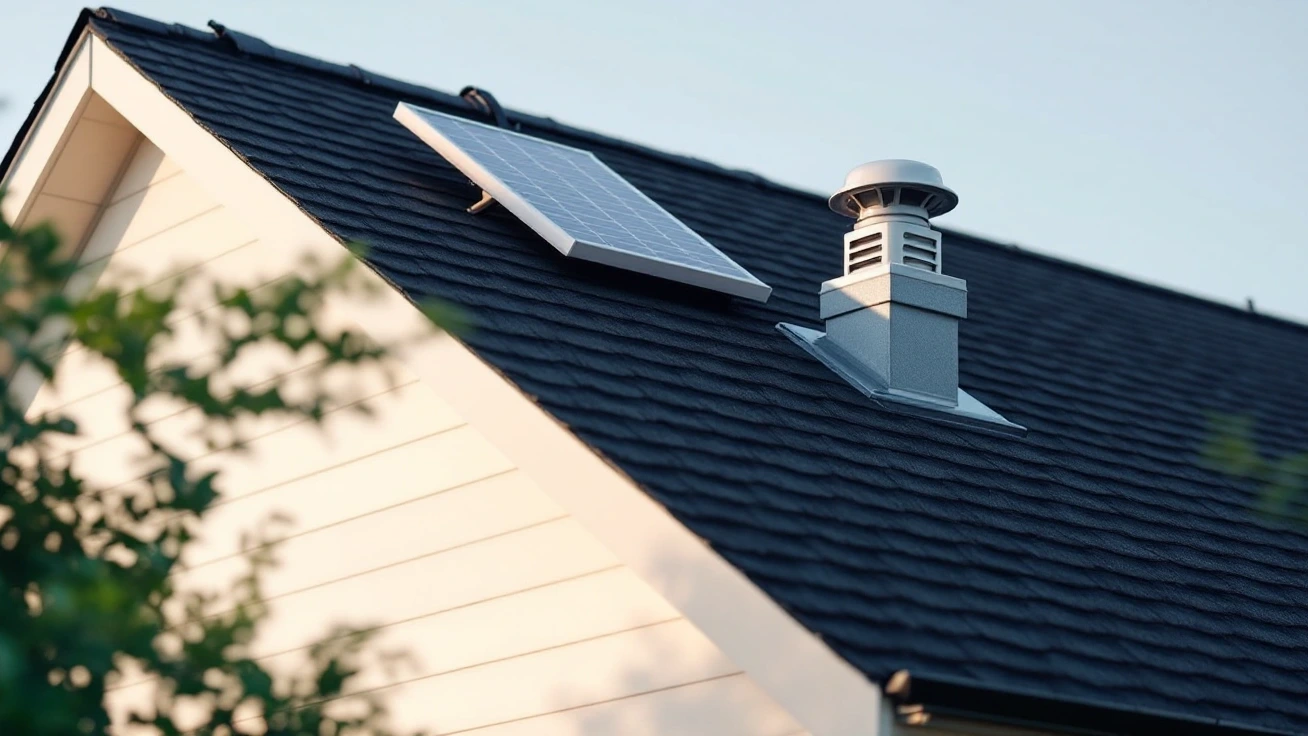
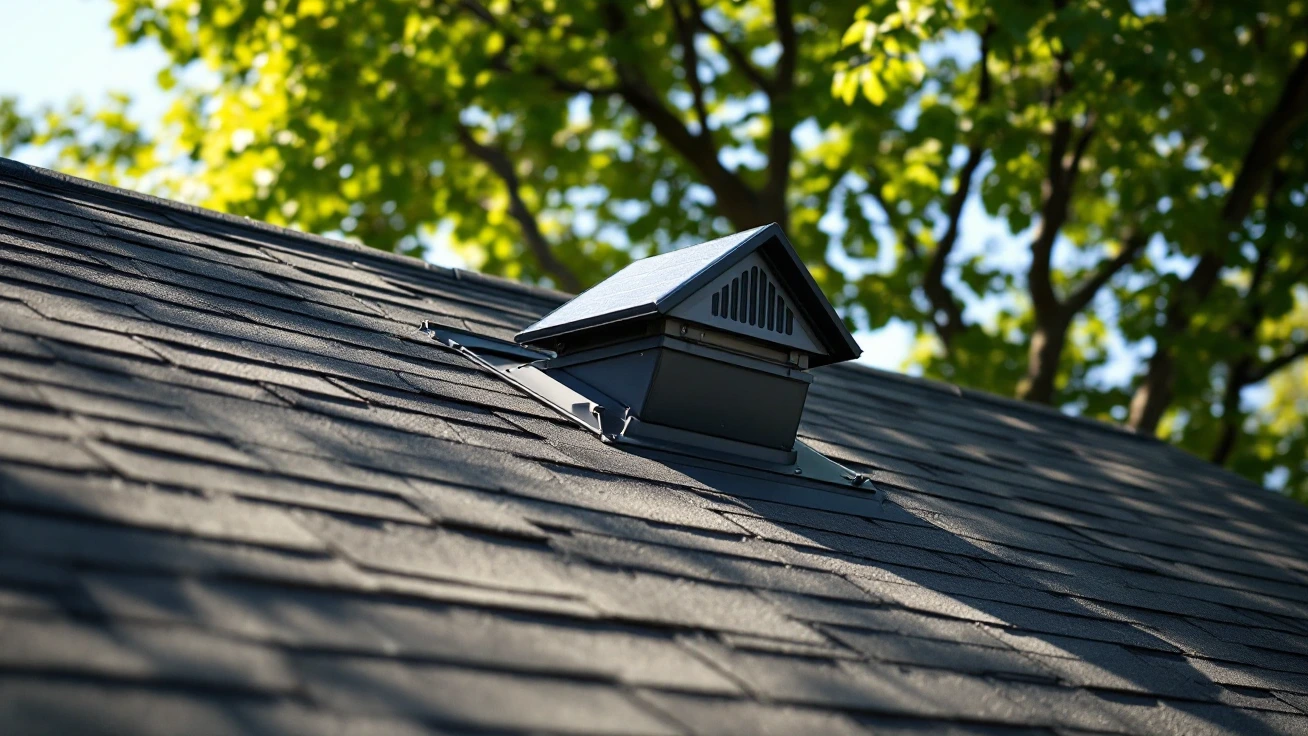
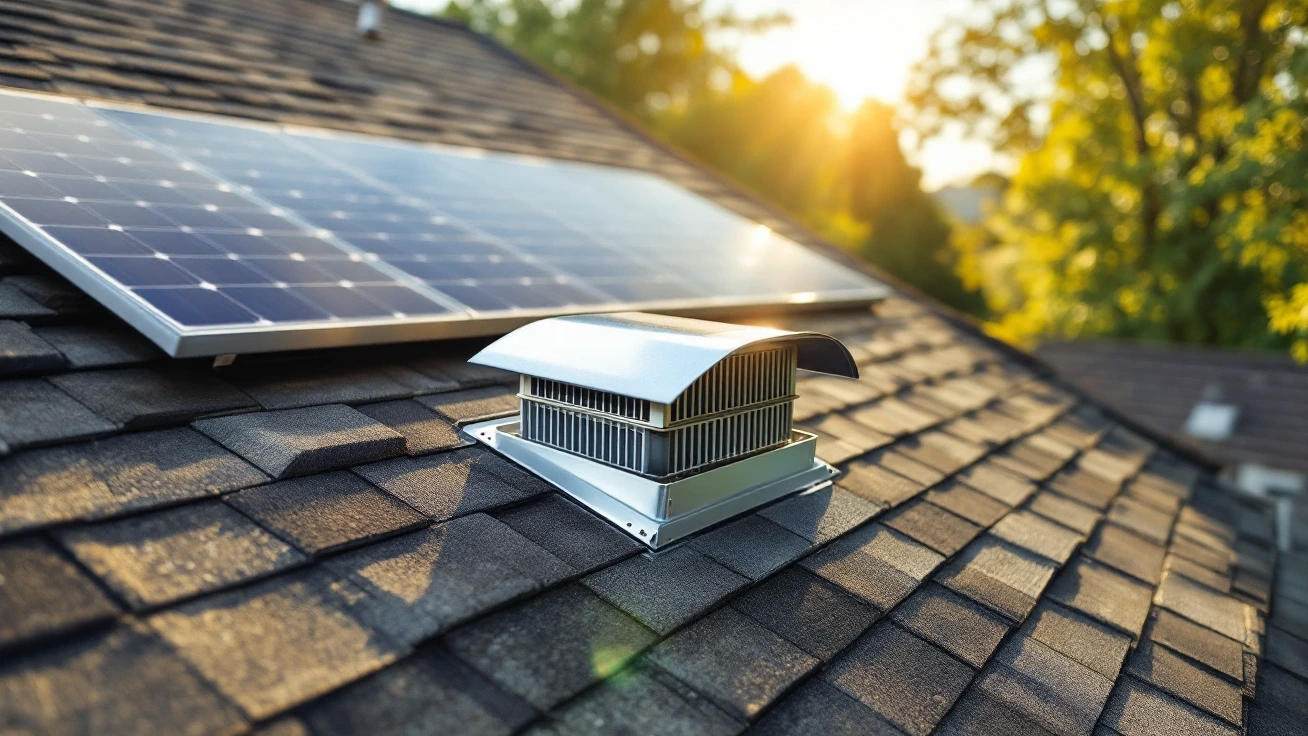
Compare roof models where the exhaust and panel positions suit the roof, or the separate-panel gable option where those locations differ. Check the exact backup-power package and outdoor intake.
A solar attic fan removes air from the roof space using a panel and motor. Roof position, outdoor intake and power after sunset still matter. These three choices compare a QuietCool solar roof unit, a separate-panel gable unit and an iLIVING roof model. We use current catalog facts, without hands-on airflow tests or promised savings.
Keep in mind: Confirm dimensions, installation scope and suitability with current manufacturer documentation before purchase.
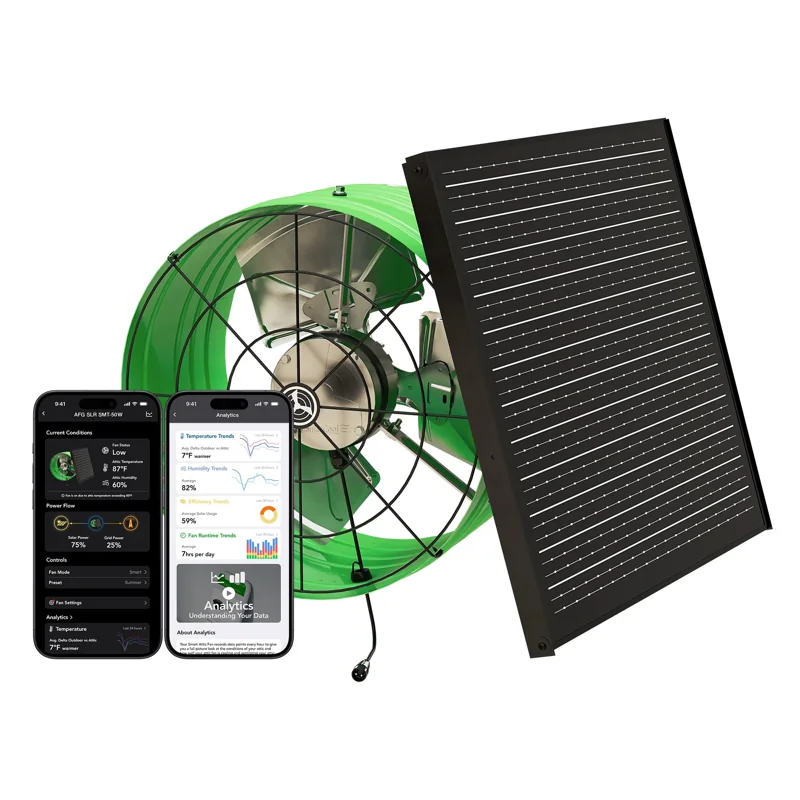
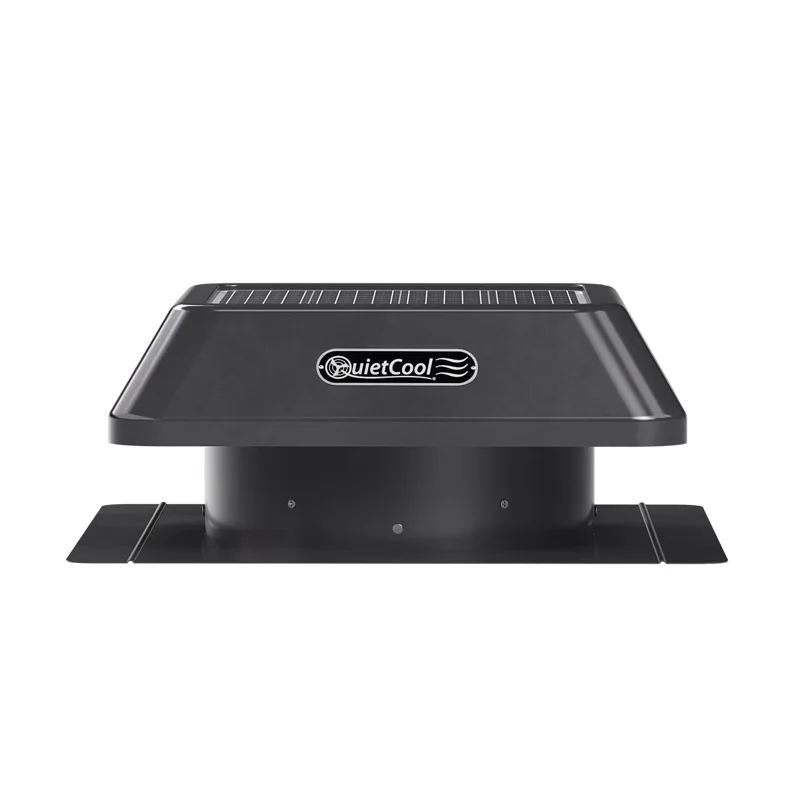
For AFG SLR SMT-50W, QuietCool's exact-model page gives up to 1780 CFM on high and 1088 CFM on low. We use those maker ratings throughout this guide. Catalog airflow and motor details conflict with that page, so we leave out disputed motor watts and speed claims.
The separate panel and gable outlet have distinct mounting needs. Check both locations and the permitted power connection before planning the work.
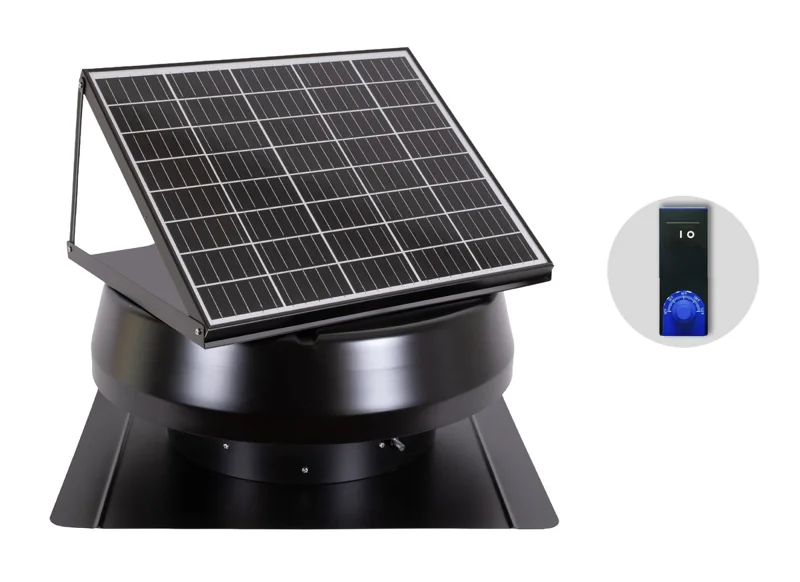
3. iLIVING Hybrid-Ready Solar Roof Fan: hybrid-ready roof
Keep in mind: Confirm dimensions, installation scope and suitability with current manufacturer documentation before purchase.
The solar panel can be set at 0°, 15°, 30° or 45°. It uses an IP68 water proof brushless motor.
Factors to consider when choosing a solar attic fan
Start with the building, then compare the fan. An attic exhaust fan belongs to a vented attic plan. A sealed attic designed as part of the conditioned space has a different purpose. Adding a vent there may defeat that design. Find which type of attic you have before choosing a motor or panel.
Compare the layouts on the same basis
The comparison sets out the stated layout, not a tested performance ranking. Panel watts measure a power rating; CFM means cubic feet of air per minute. Neither number by itself tells you how much cooler a room will become. Test sunlight and airflow restrictions, plus control settings can differ between products.
We do not compare unlike sound claims. A sound number needs a stated speed and test method. The place where it was measured matters too. A fan set out as quiet may still transmit vibration through its mount. No cross-brand noise winner is claimed here.
Intake is part of the fan system
Air leaving the attic needs a path for replacement air. The useful open portion of a vent is its net free area, often shortened to NFA. Use the vent maker's listed NFA rather than multiplying the visible grille dimensions. Screens and louvers occupy some of that opening.
Look for blocked soffit vents, insulation at the eaves and disconnected attic sections. A drawing that shows one open attic may not match a house divided by roof framing or fire separation. Treat each enclosed section as a distinct airflow question. More fans do not cure a poor air path.
Maker inlet rules and local building rules answer different questions. A fan manual may call for intake that exceeds a passive roof vent calculation. Meeting one does not prove that you meet the other.
Check the ceiling boundary
The Department of Energy's mixed-humid building guide warns that powered attic exhaust can draw conditioned air through a leaky ceiling. A solar motor does not stop that air loss. Check where the new air comes from. The motor power is only one part of the question.
Inspect the cause of heat or dampness before buying. An open attic hatch, leaking duct or ceiling gap needs its own fix. Roof leaks and indoor exhaust sent into the attic are separate faults. Moving more air should not become a stand-in for finding the source of water.
Homes with fuel-burning hardware also need a safe pressure plan. Backdraft means combustion gases flow the wrong way into the building. Avoid running a fan in a setup that could draw those gases indoors. Use the relevant licensed trade for roof work. Electrical and combustion work need the right trades too.
Match controls to the purpose
A thermostat responds to heat; a humidistat responds to humidity. Neither reads your cooling bill. A hot attic may trigger a control even when the room below is comfortable. Check what the control senses and whether its settings suit the attic design.
For daylight-only use, check that the selected model runs without its optional adapter. For night use, check the approved power hardware, its inclusion in the package and its needed outlet. Do not treat a fan that supports an adapter as a fan that includes one.
Solar attic fan exhaust versus whole-house cooling
An intake vent's useful open area matters. Do not count the screen or louver as open air space. Check the stated net free area for the actual vent. A large grille can still have a small useful opening. Keep that area distinct from the fan's own opening.
An attic exhaust fan removes air from the roof space. A whole-house cooling fan draws outside air through open windows, across rooms and out through the attic. Those are different jobs. Buying a solar roof fan will not create the planned window-to-room airflow of a whole-house system.
If the aim is to cool rooms when outdoor air is cooler, compare the best whole house fan choices. If the aim is attic exhaust, stay with the mounting and intake questions on this page. Neither system creates refrigerated air or replaces every function of air conditioning.
Sunlight powers the solar fan, but it does not prove savings. Before accepting a payback claim, ask whether it comes from the same climate, attic design and cooling system as your home. A product's peak area label is not a measured bill reduction. We give no assured temperature drop or rebate, nor a payback period.
Compare daylight use with the full operating plan
A solar attic fan should be chosen for the task at the house. Start by writing down when that task occurs. A complaint about afternoon attic heat differs from dampness noticed after a cold night. A daylight power source does not settle both concerns. The cause and timing should guide the assessment before a panel size becomes the main shopping criterion.
Keep the panel and exhaust locations separate
Record the proposed exhaust position and panel position as separate items. A roof unit can combine them in one assembly. A separate-panel arrangement makes the route between them another part of the plan. Confirm the actual cable and mounting instructions for the exact package. Do not assume an extension or an improvised roof fixing is approved.
Compare safe service access too. Think about how the fan and panel will be reached when they need attention. A position that looks convenient from the ground can be awkward to access on the roof. Keep roof condition and weather sealing in the work scope. The panel's presence does not remove those ordinary installation questions.
Make backup power an explicit choice
Record whether the listed backup hardware is included, optional or absent. Do not infer that from a family name. Ask which supplied instructions cover the complete arrangement. If household power is part of the chosen package, its supply and isolation need to be planned with the fan. A daylight-only comparison cannot settle those extra requirements.
Then return to the original purpose. If the proposed benefit depends on operation outside useful sun, a daylight-only arrangement may not meet it. That does not prove that buying an adapter is the answer. Check whether powered exhaust suits the attic at all. Keep the reason for operating separate from the available ways to power the motor.
These current US catalog records were checked on October 16, 2026. The choices distinguish a solar roof unit with the listed backup arrangement, a separate-panel gable layout and a hybrid-ready roof model. Their panel and mount designs support different sites. No measured annual output, household savings or payback period was used to rank them.
Verdict: solar attic fan decisions
Choose a solar attic fan by the exhaust route and panel position. Compare roof models where those positions suit the roof, or the separate-panel gable option where they differ. Check the exact backup-power package and outdoor intake.
FAQ
Does a solar attic fan run at night?
A daylight-only fan needs sunlight. Some models accept an approved mains adapter, and the QuietCool SLR guide sets out an inverter. That changes the power route, not the need for well-suited intake or controls. Check the exact kit rather than assuming every solar model includes night use.
Is a bigger solar panel always better?
No. A panel rating is one part of the system. Shade, fan design, mounting restrictions and controls affect use. Compare airflow on a stated test basis where available. A bigger watt number alone does not prove a greater room temperature drop or a lower cooling bill.
Can a solar attic fan replace air conditioning?
No. An attic exhaust fan moves attic air and does not refrigerate rooms. Whole-house cooling uses a different airflow path and still depends on well-suited outdoor conditions. For a hot or humid night, a solar attic fan is not evidence that a home no longer needs conditioned cooling.
Must a vented attic have a powered fan?
Not necessarily. A working passive vent layout may meet the building's needs without powered exhaust. Show the cause of a heat or moisture concern first. If the ceiling leaks, intake is blocked or the roof leaks, adding a fan leaves the underlying fault not settled.