3 Solar Fan Options: Are Solar Attic Fans Worth It in 2026
The short answer
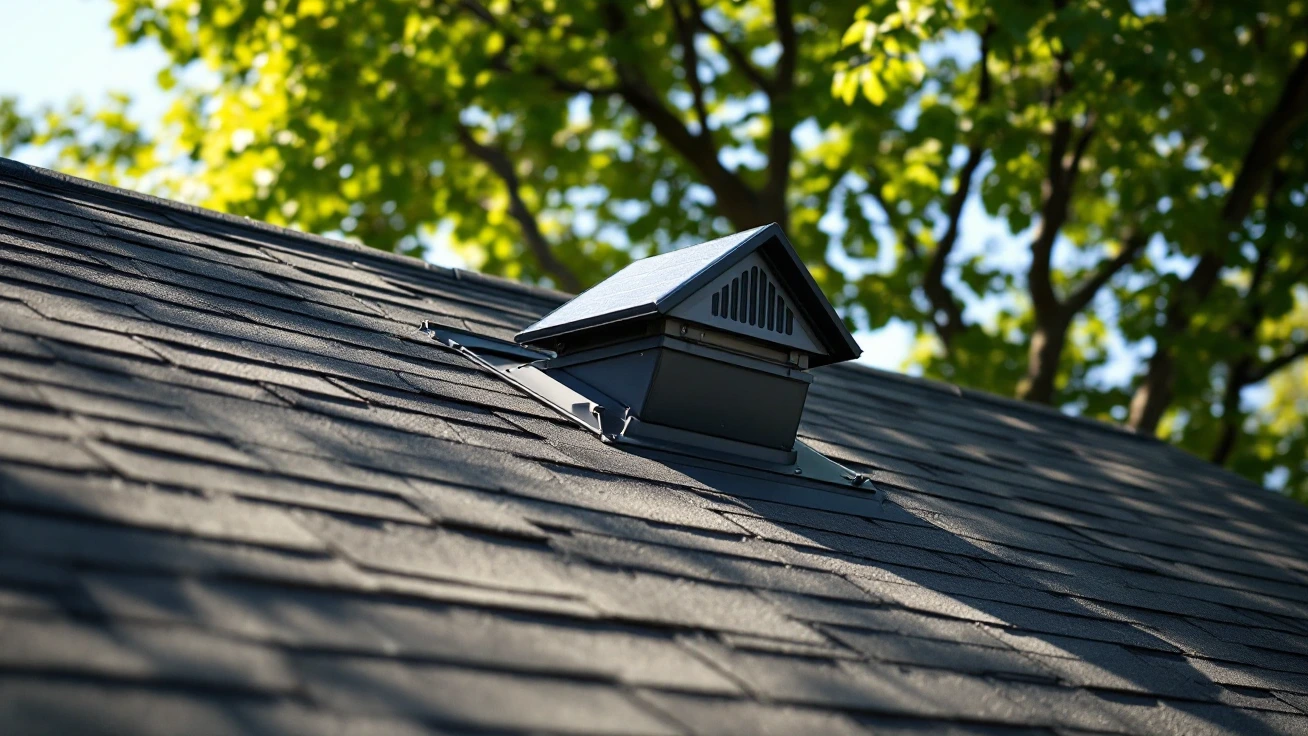
Solar exhaust is conditional on the attic plan and useful sun. Compare the roof and gable designs only after intake and ceiling leaks are checked. A panel wattage is not a savings forecast.
Are solar attic fans worth it? Solar power does not settle whether an attic needs powered exhaust. Start with ceiling leaks, passive intake and the existing outlets. These three options then show different mounting and backup-power trade-offs. This published-data comparison contains no payback claim, tested cooling result or estimate of avoided air-conditioning use.
Keep in mind: Confirm dimensions, installation scope and suitability with current manufacturer documentation before purchase.
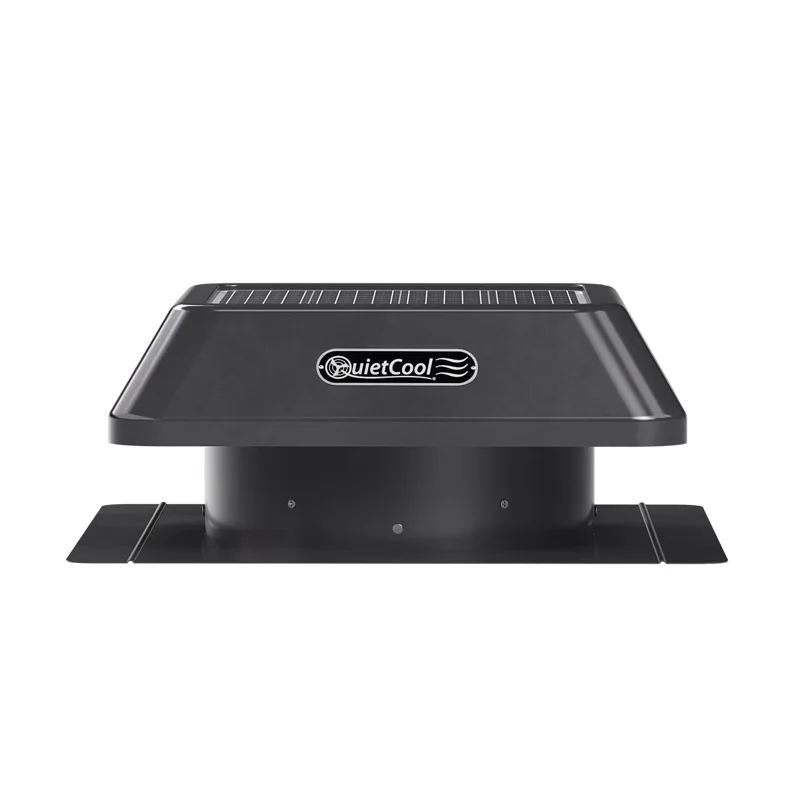
The solar roof option with its listed backup arrangement makes the full power scope part of the value decision. Compare the roof work and any electrical work together. The panel does not remove mounting or future service costs, and backup use is not free solar operation.
Keep the purpose of operation outside sunny hours clear. Longer possible runtime does not prove better value. If no assessed need calls for that state, do not count it as a financial benefit. The building still needs suitable outdoor intake and a checked ceiling boundary.
Keep in mind: Confirm dimensions, installation scope and suitability with current manufacturer documentation before purchase.
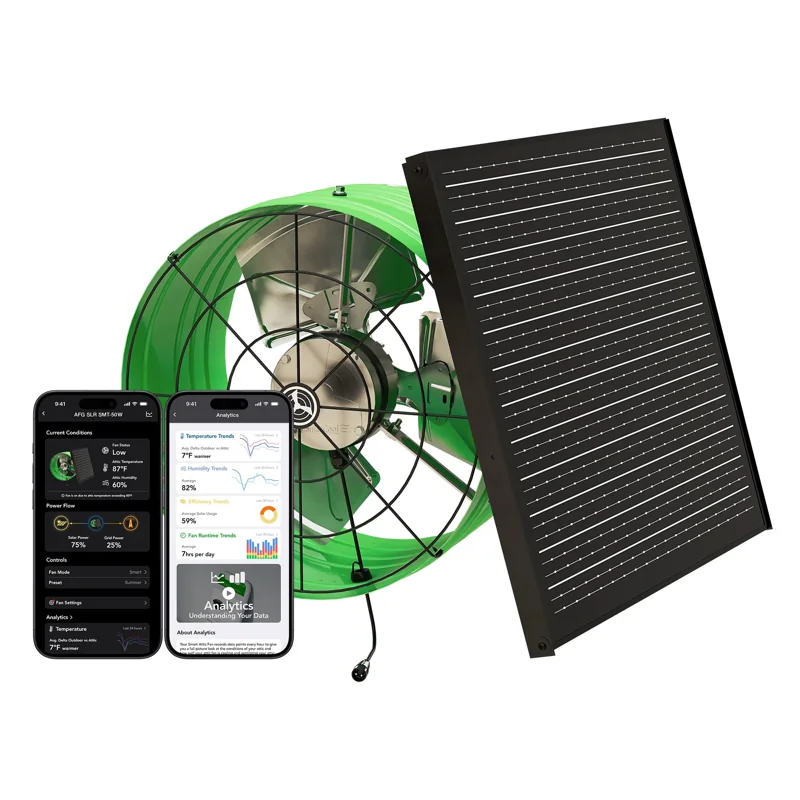
QuietCool's exact-model AFG SLR SMT-50W specifications state up to 1780 CFM on high and 1088 CFM on low. Catalog airflow and motor details conflict with that page. We use the maker figures here and omit the disputed motor-wattage and speed claims. These are published ratings.
The separate-panel gable arrangement can place the panel and exhaust at different locations. Compare both mounting tasks and the permitted connection route. A useful sunny panel position does not prove that the gable opening or outdoor intake is suitable.
Its smart package adds another question: which documented control function will you use? Do not assign an invented saving to justify that feature. Record the actual function and full installation scope, then compare them with a simpler system that addresses the same attic need.
3. iLIVING Hybrid-Ready Solar Roof Fan: hybrid-ready roof
Keep in mind: Confirm dimensions, installation scope and suitability with current manufacturer documentation before purchase.
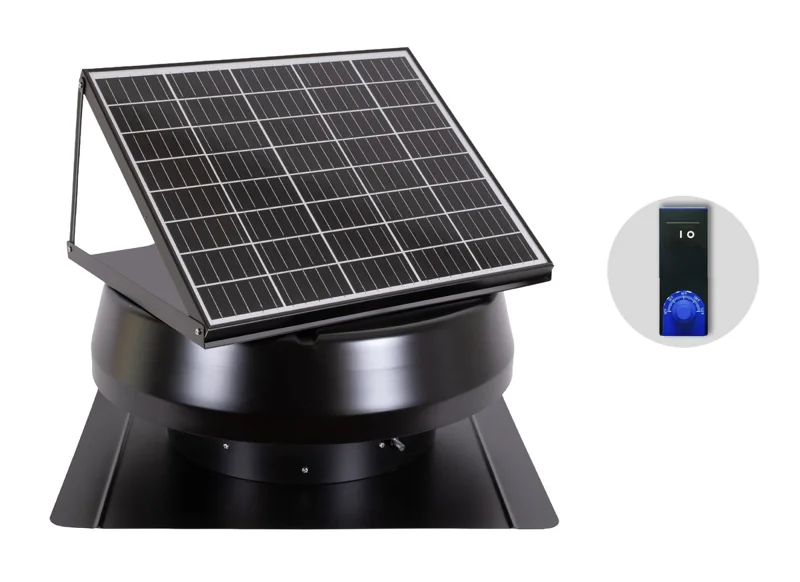
The iLIVING roof choice is hybrid-ready as described in its current record. Distinguish what the supplied package contains from any optional power arrangement. Ready for an accessory is not the same as including it. Keep that boundary in the equipment comparison.
A panel rating is not a measured household saving. Panel exposure and the roof-exhaust route both need to fit. If a quote includes added hardware or mains operation, show that scope separately. Judge the complete project rather than describe every operating hour as free.
Factors to consider: are solar attic fans worth it for this attic?
Judge value against the fault and the full job. Good hardware can still be part of a poor plan. Write down what is wrong and what work would fix it. Then state how you could check the result.
Not every hot attic needs a fan.
When solar exhaust fits
It may fit a vented attic with a planned exhaust route. Check that outdoor intake is clear and the panel gets sun. These are fit checks, not a promise of cooler rooms. The chosen model still needs a matching roof or gable mount.
Solar-only use can avoid the motor's mains connection. You still pay for equipment and mounting. Allow for maintenance and any roof work too. Compare the complete solar attic fan installation cost scope before deciding what low motor energy is worth to you.
When passive ventilation is enough
A passive system uses roof and intake openings without a powered exhaust motor. If that system meets the building's needs and no fault has been found, a fan is not automatically an improvement. Check blocked vents and attic partitions before assuming the motor is the missing part.
The PNNL attic fan guide explains how powered attic exhaust can draw cooled or heated room air through ceiling leaks. A panel changes the power source, not that pressure issue. Solar power alone does not make the loss of room air useful.
An insulation or air-sealing problem deserves its own solution. A roof leak needs repair, and indoor exhaust should not terminate in the attic. No fan in this list is ranked as a stand-in for those tasks. Moisture damage also needs its cause found rather than hidden by a running motor.
Payback evidence limits
Payback needs a full cost and a saving caused by the fan. We have neither for your house. A lower attic reading does not prove a lower bill. Weather and thermostat use can change a bill too.
So can other work on the house.
Keep those unknowns visible. Ask if a savings claim came from a house like yours. Ask if the fan's effect was checked apart from other work. A peak panel rating is not that proof.
Neither is a customer story with no clear starting point.
Do not include an unchecked rebate or tax benefit in the calculation. This page asserts no program eligibility. A fan maker's old certificate may describe a past period, while the current benefit has different conditions. Use the full project cost until a current official program shows otherwise.
Are solar attic fans worth it for room cooling?
Attic exhaust and room cooling have different airflow paths. A solar attic fan removes attic air. A whole-house cooling fan draws outside air through open windows in occupied rooms. If cool evening air is the goal, read our best whole house fan comparison rather than expecting a solar roof fan to provide that function.
For an attic-exhaust choice, return to the solar attic fan guide. Before committing to the work, use the installation checklist. Those steps show fit and scope without promising a bill reduction.
Compare the same work in each option
Keep the solar panel, fan and building work in the same comparison. One quote may include a new roof opening. Another may reuse a sound gable opening and place a panel elsewhere. Equipment alone cannot show which complete job offers better value. Record the work each option still needs.
Ask which parts arrive in the package and which are extra. Keep any backup supply and its controls explicit. If an accessory is optional, do not count its function as included. The same rule applies to future service: note how the fan and panel can be reached. A low motor-energy cost does not remove those practical parts of owning the system.
How We Picked
We checked these US product records on October 16, 2026. They show different roof, gable and power choices. We keep included backup hardware separate from optional accessories. No choice suits every attic.
Building-science guides explain the risks from ceiling leaks and weak intake. A catalog wattage does not tell us what a household would save.
Verdict: are solar attic fans worth it decisions
The answer to "are solar attic fans worth it" depends on the attic plan and useful sun. Compare roof and gable designs after checking intake and ceiling leaks. A panel wattage is not a savings forecast.
FAQ
Will a solar attic fan lower my cooling bill?
It is not assured. A fan may change attic airflow, while the effect on cooling depends on the house and climate. Conditioned-air leakage can work against the planned benefit.
Is a hot attic proof that I need one?
No. Find the attic design, vent path and actual problem first. A vented attic can be warmer than rooms without proving a fan is the right fix. Blocked intake, leaking ducts, ceiling gaps or roof moisture each raise different questions that a product purchase alone cannot settle.
Is mains backup better value than solar-only power?
It depends on whether use after sunset serves a defined purpose. Backup can add hardware, electrical scope and bought energy. It does not create a verified savings advantage. Compare the complete job and controls, rather than assuming the fan with the longest possible runtime is the best investment.
What should I check before buying?
Check the attic type, planned airflow path, intake, ceiling air sealing and panel exposure. Then check roof or gable fit, control version and the complete work scope. Keep savings and local installed costs unknown until supported. The fan should solve a stated need without creating a pressure or weather-sealing problem.