
Whole house fans
Whole house fan maintenance
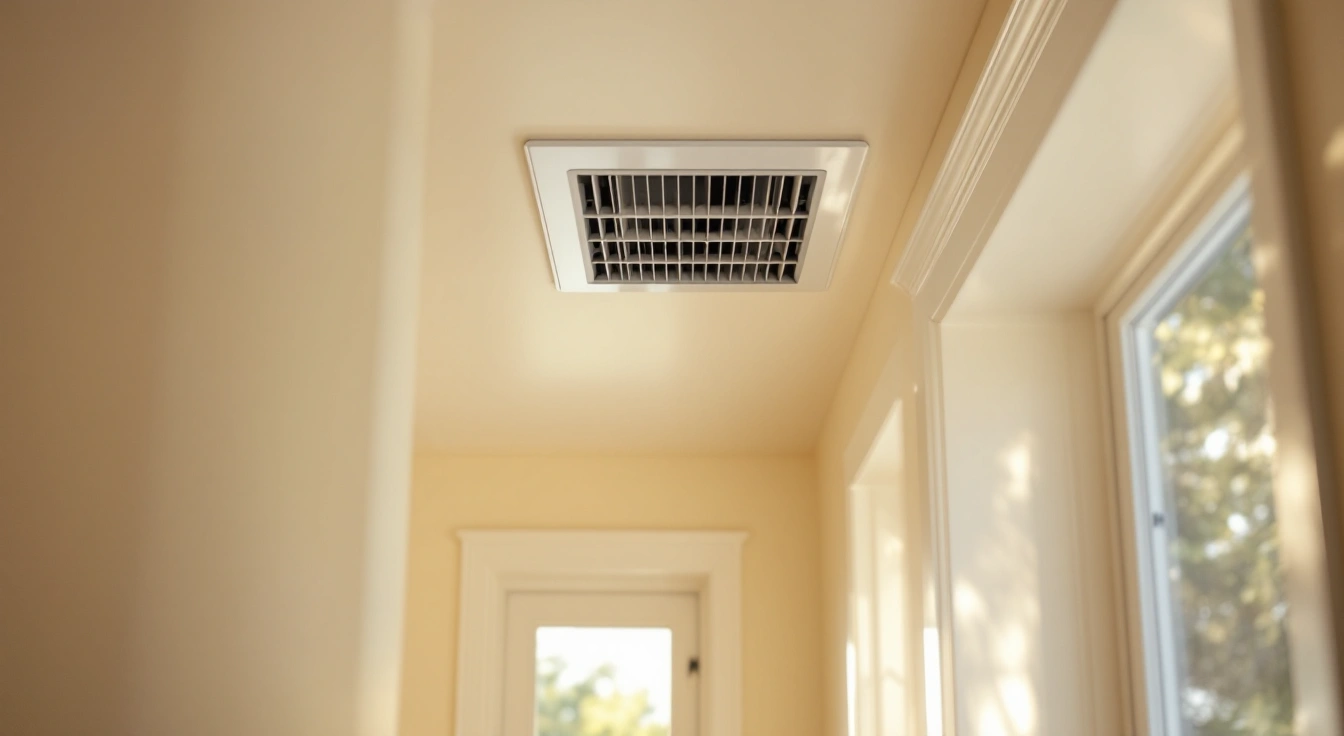
The short answer
Whole house fan maintenance follows the exact model's guide. Check the cover state before the cooling season.
Last updated October 2026
What's covered7
Whole house fan maintenance follows the exact model's guide. Check the cover state before the cooling season. Check the controls and air paths from safe access too. Use the guide's power-isolation method before cleaning. Do not oil a sealed motor or adjust a belt because a generic checklist suggests it.
Do not dismantle a damper by guesswork either. Different designs need different care.
Keep the current manual and model record accessible from the house. Remove seasonal covers before operation and confirm the planned window and outlet paths remain available. Stop for electrical heat, blade contact or severe vibration. Record a new symptom without recreating it. A fan described as maintenance-free still needs a sound installation and safe operating conditions.
Whole house fan maintenance starts with the model
First identify the fan design. It may be ducted or joist mounted. It may be a larger unit right above the grille. Check whether its motor or control has been changed. The old guide may no longer match the parts fitted.
Keep exact part records with the service history. A grille photo alone cannot show which parts are inside.
QuietCool's older Classic owner's guide (PDF) covers mounting and wired controls for its listed Classic models. Tamarack's HV1000 manual gives rules for that unit's controls. Use the guide that matches your fan. Neither source is a service guide for all fans.
Check what the maker actually permits the owner to clean or inspect. A permanently lubricated motor should not receive guessed oiling. A damper mechanism should not be changed because it seems slow to open. Service work follows its documented method. If the guide is missing, obtain the matching guide before proceeding.
Seasonal covers and dampers
A removable cover can block airflow. Confirm it is removed before the fan is available to operate. Keep the stored cover labeled for the correct opening. If another person uses the remote or timer, they should know the seasonal state. Do not leave a ready-to-run fan behind a blocked inlet.
An automatic closure needs its specified clearance. Insulation or stored objects can interfere with movement. Observe only from a safe place and do not reach into the assembly to free it while power is connected. If the closure will not work normally, leave the fan out of use until the cause is clear.
PNNL's whole-house fan guidance treats off-season air sealing and insulation as separate needs. A cover that appears thick is not proof of an airtight seal. Check its fit and condition as the guide directs. Do not hide a damaged closure under a second cover without resolving operation.
Whole house fan maintenance: cleaning and safe observations
Power isolation is more than pressing a remote button. Controls can restart a fan. Follow the exact isolation procedure before permitted cleaning. Keep liquid away from electrical parts. Do not run the fan with a guard removed or place tools through a grille.
From safe access, note visible dust on an accessible grille and any change in sound. Check whether new building work has affected the intake or outlet route. Insulation can move into a passage. A roof change can alter venting. Those are system conditions, even if the motor still spins.
For a ducted fan, note any duct that seems crushed. Note a loose joint or contact with framing too. Do not make a shorter route by guesswork. The duct and its mounts can affect sound and flow. A belt-drive unit has its own guard and adjustment rules.
Our belt-drive guide explains that design. Use its exact manual for care.
Stop signs and service records
| Observation | Safe response | Useful service record |
|---|---|---|
| Burning smell or repeated trips | Stop operating | Timing and exact control mode |
| Scraping or severe vibration | Keep clear and stop | Which speed and when it began |
| Cover left fitted | Keep fan out of use | Seasonal state and removal method |
| Damper fails to open | Do not force it live | Model and visible obstruction |
| Changed roof or insulation | Recheck the air path | Work completed and affected vents |
Scroll for more →
Take a photo only where access is safe. Do not walk on ceiling drywall or climb to an unguarded unit. Record symptoms as events rather than guessed diagnoses. “Rattle on start” is more useful than “bad bearing” before the cause has been confirmed.
When maintenance becomes a repair decision
The guide's routine care cannot settle a wiring or motor fault. A new sound may need a matched part or mounting repair. Our installation scope compares replacement layouts only after the fault and building fit are understood. Buying a larger unit is not a maintenance step.
Keep the purchase receipt and warranty with the model guide. Record each part changed and any altered control. Coverage can depend on exact terms and permitted installation. Do not assume a component warranty includes every labor or access cost. A clear history makes the next service decision easier to assess.
For a ceiling opening that needs seasonal closure, compare the attic fan cover options.
FAQ
Should I oil the motor every year?
Only perform lubrication that the exact guide requires. A sealed or permanently lubricated motor is different from an older serviceable design. Do not add oil based on a generic fan checklist. Keep power isolated for any permitted care and leave internal service to the documented procedure.
Can I clean the grille while the fan runs?
Do not clean through a connected or moving fan assembly. A tool or cloth can reach moving parts, and controls can change speed. Use the guide's isolation method before permitted cleaning. Keep water and sprays away from electrical parts and reinstall required guards before use.
Does maintenance-free mean no seasonal check?
It does not remove the need for suitable windows, a clear outlet or correct cover state. Building work can change those paths. The term also does not authorize ignoring abnormal sound or electrical heat. Follow the exact guide and record changes in the installation.
What should I check before summer operation?
Confirm the seasonal cover is removed and the closure can work as designed. Check the normal controls and planned intake. Review any roof or insulation work since last use. Our operation guide explains those checks without live troubleshooting or unsafe access.
Verdict
Whole house fan maintenance is model-specific care plus a current air-path check. Keep covers and controls clear, isolate power for permitted cleaning, and record new faults safely. Do not turn a routine checklist into improvised motor or electrical work.
Return to the best whole house fan guide.