Check roof fit and outdoor intake first. Compare Master Flow thermostat, QuietCool thermostat and QuietCool smart packages by their complete installation scope.
A roof mount attic fan needs a planned air path and a weatherproof opening. The motor is only part of that decision. These three roof-exhaust options compare a Master Flow unit with thermostat and smart QuietCool choices. We use exact catalog facts and official installation guidance. They are not roof-mounted room-cooling fans.
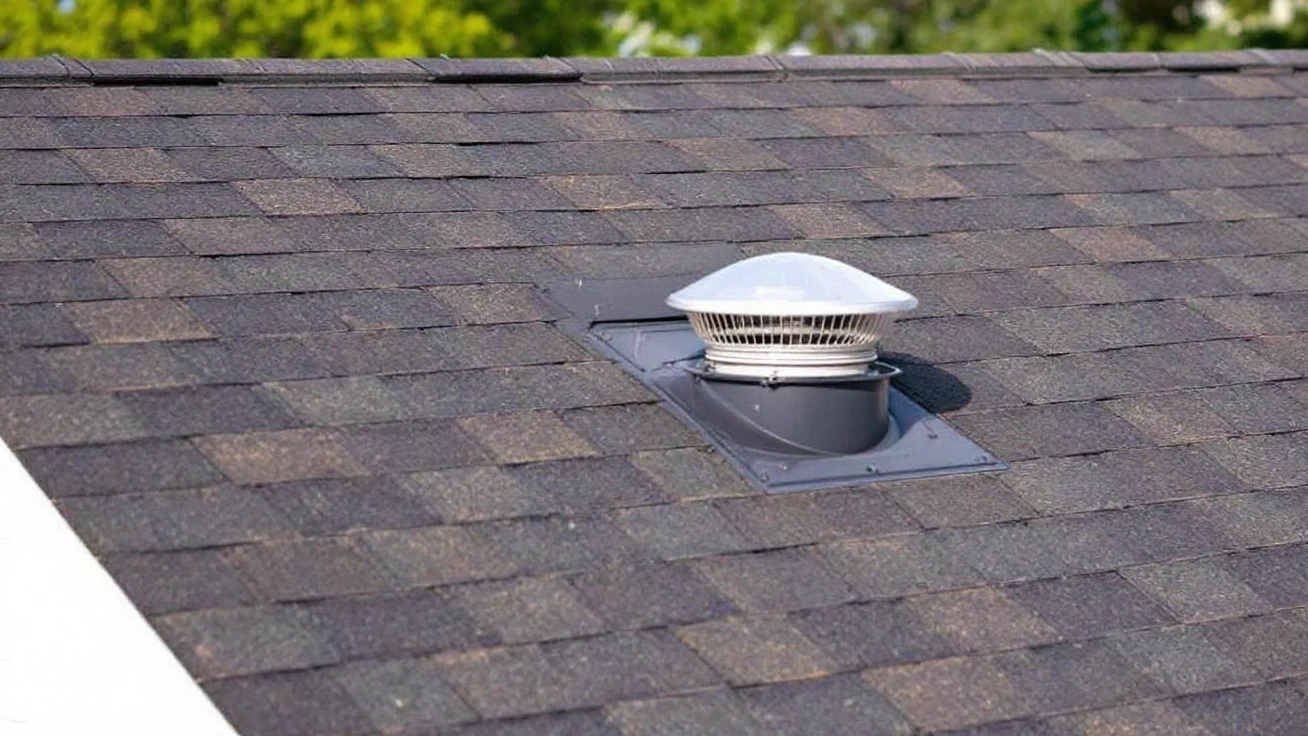
1. Master Flow Roof Fan with Thermostat: standard roof exhaust
Keep in mind: Confirm dimensions, installation scope and suitability with current manufacturer documentation before purchase.
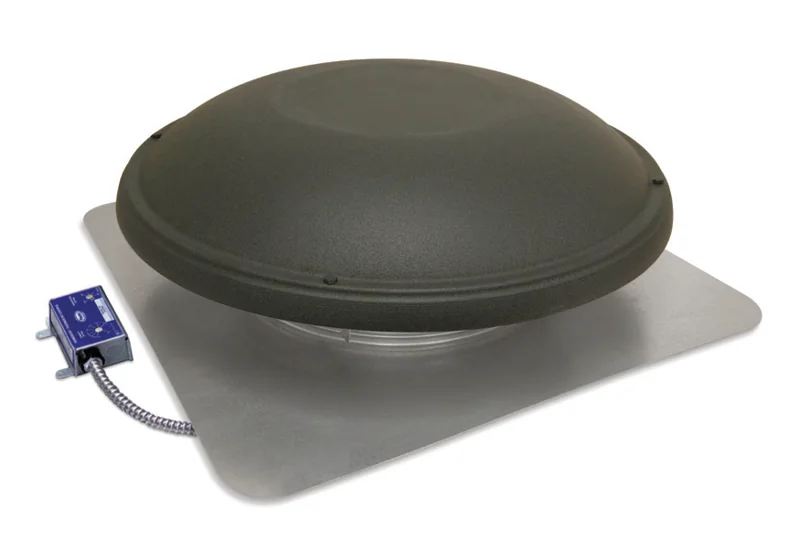
This Master Flow roof option is the thermostat package in the comparison. Start with its stated roof compatibility and the actual opening. A thermostat can provide a clear operating trigger without showing that powered exhaust benefits every attic. Keep the building assessment ahead of the equipment choice.
For a replacement, identify which housing and weather details will be renewed. The old opening may need work even if the new motor is suitable. No savings or installed-sound result is inferred from this unit's rating. Compare the complete roof, supply and intake scope with the alternatives.
Keep in mind: Confirm dimensions, installation scope and suitability with current manufacturer documentation before purchase.
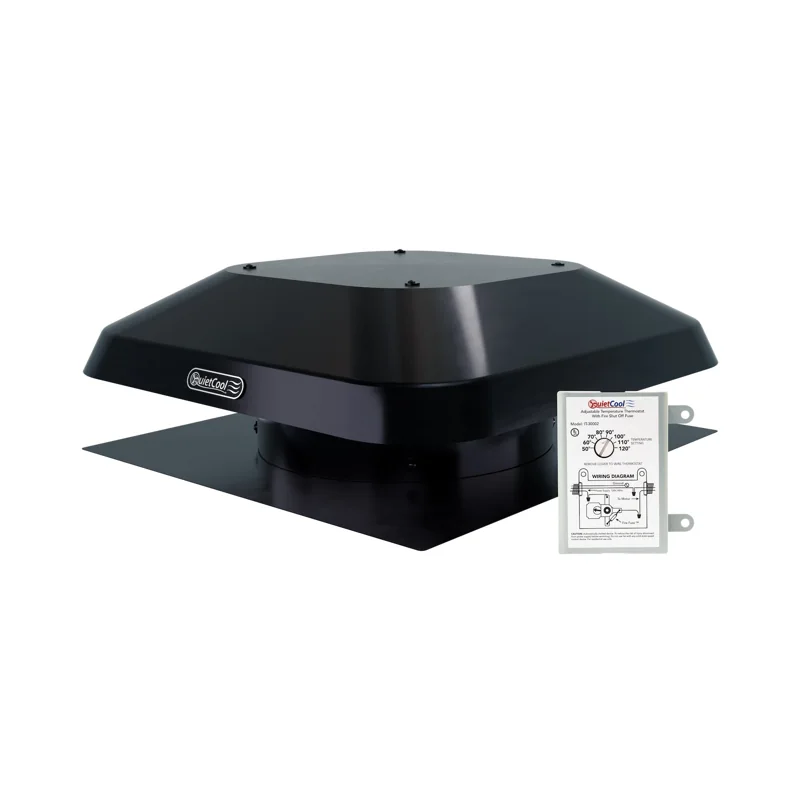
AFR PRO-1.3 is a thermostat-controlled QuietCool roof option. Compare the exact supplied package with the needed roof-exhaust task. Its model suffix matters when checking the guide. Do not borrow a smart model's controls or a related fan's installation detail to complete a missing field.
A suitable existing roof position can still need a new weather detail or support work. Keep those items in the quote. Choosing this control package does not settle ceiling leakage or outdoor intake. Those building requirements remain part of the decision even when no phone control is needed.
Keep in mind: Confirm dimensions, installation scope and suitability with current manufacturer documentation before purchase.
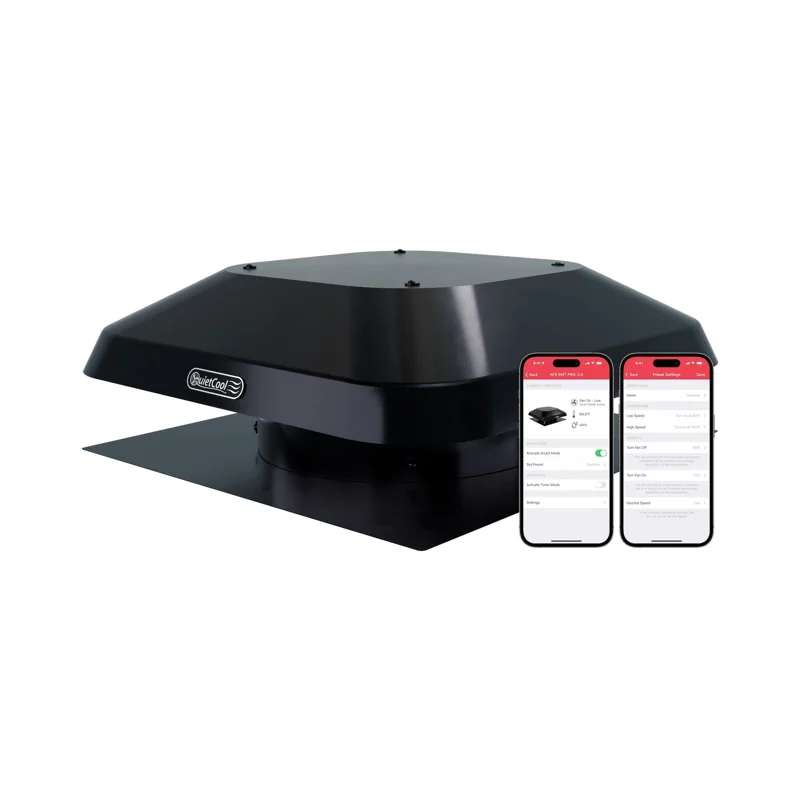
AFR SMT PRO-2.0 adds its stated smart package to a roof-exhaust arrangement. Its value depends on a useful documented control function and a compatible roof. Confirm the connection method rather than assume internet access. Keep the normal local controls clear for the person who will operate the fan.
The additional control functions do not remove the roof-opening or service-access work. A humidity response also does not identify a moisture source. Compare those limits with the basic thermostat packages. Choose it where the complete roof route and verified functions fit, rather than use smart as a stand-in for building performance.
Factors to consider when choosing a roof mount attic fan
A roof mount attic fan is an attic exhaust device. Its job is to move attic air outdoors through a roof opening. It is not a room-air cooling fan just because it sits above the rooms. Start with that distinction before comparing the motor or control.
If the main goal is cooler bedrooms, establish which part of the building is causing that problem first.
Our attic fan comparison covers both roof and gable layouts. Use it when the exhaust position is still open. This page narrows the choice to roof exhaust. The three products show different control packages within that task.
They do not establish that every roof or attic should have a powered fan.
Check the roof assembly before the product
Identify whether the attic is meant to be vented to outdoor air. Keep that answer with the building record. Do not infer the full assembly from a roof photograph. Later changes can leave a mix of old vents and new roof-deck insulation.
Where the design is unclear, settle that question before adding an exhaust path.
Insulation at the attic floor differs from a layer at the roof deck. The air boundary matters too. A fan listing cannot locate that boundary in your house. Check how air is meant to enter and leave this roof. Choose a fan only once that route is clear.
PNNL's attic fan guide explains the risks from ceiling leaks and poor outdoor intake. It generally favors passive vents. Compare those building choices before buying a motor. A hot attic alone does not show that powered exhaust is the next step.
Establish a reason for powered exhaust
Write down the problem you want to address. Hot attic air is an observation. A lower heating or cooling bill is a hoped-for result. The two are not the same claim.
A product that moves air does not by itself show a measured change in the home's energy use. Keep any savings claim outside the recommendation unless the missing evidence exists.
Dampness needs its own cause check. A roof leak and room air reaching cold roof surfaces can both leave marks. The right response depends on the cause. Do not treat a humidity control as a diagnosis.
It may respond to a condition without finding the path that created it. The ventilation problems guide helps separate those questions.
Room comfort can call for work beyond attic exhaust. The ceiling boundary and the room's own cooling system may matter. If the intended task is cool outdoor air through occupied rooms, use the whole-house fan choices. Those fans need a different inlet and discharge plan.
A roof-mounted attic fan does not create that room-air route.
Match the exact roof material and pitch
Check the selected model's guide for the roof types it allows. Keep the full model suffix with the answer. A related fan from the same brand may use a different housing or flashing detail. Do not turn a family brochure into approval for the actual roof.
A known limit, such as an excluded roof covering, should remove that option from the shortlist.
Roof pitch is another model-specific fit check. Record the actual slope and the source of the allowed range. This page gives no universal pitch rule for all three fans. An existing vent on the slope does not prove that the new unit suits it.
The full assembly, rather than the motor alone, must fit the roof detail.
Keep any proposed roof work in the same scope as the fan. The housing may need more than a hole of the right size. Ask how the new detail will meet the existing covering and underlayment. Do not copy the fixing or sealing method from a picture of another roof.
The supplied guide and the actual roof condition should govern the work.
Compare the whole roof job
A useful quote separates what the fan includes from what the house needs. Record the exact unit and control package first. Then list the work at the roof and the power supply. Add the intake assessment and any changes that it calls for.
A low equipment amount does not establish the total scope or a sound installation.
A new opening and a replacement are different tasks
A new roof opening has no existing fan assembly to match. Its location and weather detail need to be chosen as part of the roof plan. Service access matters from both sides of the opening. Keep the route to the motor in view rather than think only about how the hood looks from the street.
A replacement has its own unknowns. The old opening may have damage or a fixing detail that does not suit the new housing. The old model may also have used a different intake requirement. Treat the old unit as a record of what was fitted, not as proof that the same roof and vent assumptions apply to its replacement.
Record why the old fan is being changed. A failed motor differs from a roof leak or a noise caused by a loose mount. A new complete fan may still be the right choice. That choice should follow the cause check.
A working replacement motor cannot repair an unrelated weather-sealing fault around the opening.
Record which parts can be reused
Ask the work scope to name any reused parts. An old control or power route should not become an assumed inclusion just because it is nearby. Check it against the exact replacement guide. A model substitution can change these answers, even if the visible roof housing looks much the same.
Use a clear status for each item: confirmed, needs work or still unknown. This is a planning record, not a claim that the homeowner has inspected live equipment. Keep safe observations separate from the checks that require roof or electrical access. No one should approach exposed blades or wiring just to complete a comparison sheet.
The attic fan replacement guide organizes those decisions. Keep its general scope separate from the new fan's supplied directions. A general guide can help identify missing questions. It cannot supply a different manufacturer's dimensions or allow a fixing method that the chosen unit does not permit.
Keep roof repair separate from ventilation claims
If the roof has an active leak, identify that work before comparing fan features. A roof-mounted fan is another part of the roof envelope. It is not a general treatment for stains or damaged decking. Record what is known and where the cause is still open.
Do not hide an unresolved roof condition behind a promised ventilation benefit.
Ask how hidden damage will be handled if it appears during removal. The quote should state how extra work is agreed. An unlisted item is not a free item. A firm equipment choice can still leave the roof repair scope open.
Keep those states distinct so a new fan does not become approval for unknown work.
At handover, keep the roof and control records together. A finished photograph shows the visible result. It does not show every check behind it. Ask which model guide governed the work and retain that guide.
A later service visit will be more useful when the exact assembly and its history are easy to identify.
Plan intake before choosing headline airflow
The motor needs a source of replacement air. In an attic-exhaust plan, that source should be the intended outdoor intake route. Do not use room windows as a substitute for a missing attic intake design. That would confuse the attic-exhaust task with whole-house cooling.
The inlet and outlet belong to the same assessed system.
Record useful free area rather than face size
The outside size of a grille is not its net free area. Louvers and screens occupy part of the opening. Use the vent maker's stated value when one is available. Do not guess a fixed percentage for every vent shape.
Keep an unknown value visible until the relevant product or building record settles it.
Check condition separately from the stated value. A documented vent can still be blocked by insulation or dirt. A clear-looking grille may have a blocked path behind it. The rating describes a product under its stated conditions.
It does not replace a check of the actual route in the house. Our vent reference explains the distinction.
Record where the intake sits, as well as its total. An attic with separate wings can have air paths that do not reach each other. The selected fan position should serve the part of the attic that was assessed. Do not assume that a single total from the entire roof proves a useful route to the proposed exhaust opening.
Keep the fan's intake requirement with its own guide
Use the exact unit's stated needs. Do not combine a capacity figure from one model with an intake value from another. A related model name does not establish an identical test basis. Keep the model suffix and source date beside each figure.
If a source does not settle the field, leave it unresolved rather than fill it from a similar listing.
The same rule applies to speed choices. A lower-flow mode can have different needs from a higher setting. Do not assume that a small inlet plan remains suitable when a user selects more flow. The operating plan should identify the states that were checked.
An app setting cannot supply a missing physical air path.
Our attic ventilation guide provides the broader context. It keeps passive vent planning separate from a model's powered-exhaust needs. A passive ratio is not automatically a sizing rule for any fan. Both can involve vent free area while answering different design questions.
Preserve that distinction in the final work scope.
Treat ceiling leaks as part of the decision
A ceiling gap can connect attic pressure with rooms below. The existence of outdoor vents does not show that this unwanted path is absent. Keep the ceiling boundary in the assessment before relying on powered exhaust. PNNL identifies this as a central concern with attic fans.
A solar or efficient motor does not by itself settle the air path.
Do not turn this into a blanket instruction to seal every ceiling object with the same material. Fixtures and hot vent pipes have their own clearance details. The building assembly should govern the work. Record what needs checking instead of using a product shopping list as a guide to alter fire or heat clearances.
Fuel-burning equipment adds another reason to resolve pressure paths before use. Do not run a fan as an experiment to see if fumes disappear. Stop and follow the relevant safety response if there are signs of combustion gases or electrical heat. The attic fan safety guide covers those stopping points.
Controls, service access and fair comparison
Compare the physical exhaust route before the control features. A thermostat or app can change how the motor starts. It cannot make an unsuitable roof covering compatible or supply missing intake. The standard Master Flow option and the two QuietCool choices should each clear those building requirements before their control differences decide the choice.
Match the sensor function to a stated need
A heat control responds to a sensed temperature. A humidity control responds to moisture conditions. Neither explains why a roof is leaking or why an indoor room feels warm. Record which function the selected package actually includes.
Do not infer the control package from a picture or the presence of another product in the same family.
For a smart model, read the exact connection and control guide. A phone interface does not necessarily mean access from outside the house. It also does not establish which features work without a phone. Keep unanswered functions on the fit sheet.
A convenient name such as smart should lead to a document check rather than a guessed list of capabilities.
Think about who will use and maintain the control. The person who buys the unit may not be the next person arranging roof service. Keep normal operating steps and safe isolation records available inside the house. A stopped motor or an app display should not be treated as proof that a unit cannot start during service.
Leave unmatched sound claims unresolved
A quiet label is not a shared room-sound test. Compare the measurement method and operating state before ranking numbers. A roof mount and a gable mount can transmit sound along different paths. This page does not assign a noise winner from those labels.
Record where an existing sound occurs. A rattle in wind while a fan is off differs from a hum when the motor starts. Those observations can help define the service task. Do not touch the housing or reach near moving parts to make a diagnosis.
Stop use for severe vibration or other hazards rather than reproduce them for a better recording.
The noise guide provides safe observation prompts. It does not turn an observation into a failed bearing diagnosis. Keep that distinction when comparing replacement fans. A new model can change the equipment without addressing the actual sound path or a loose part of the roof assembly.
Plan access for the life of the unit
List which tasks need roof access and which can be reached from inside the attic. Do not assume that replacing a control is simple just because the part is small. Access and safe isolation can be major parts of the job. They should be in the comparison before the first purchase, rather than emerge at the first fault.
Keep the attic route clear without disturbing required insulation or clearances. Store the model and service paperwork in an accessible place. A label high above an unsafe access path is a poor substitute for that record. Think about how a later service person will identify the assembly without first approaching live parts.
Compare the three roof-exhaust arrangements by task
The Master Flow choice is a roof fan with a thermostat. The QuietCool AFR PRO choice is another thermostat-controlled roof option. The AFR SMT PRO choice adds its stated smart-control package. Their shared task does not make the housings or controls interchangeable. Keep each unit with its own guide, including the required supports and fixings.
When a basic thermostat package is enough
A clear, suitable control can be more useful than a feature the owner will never use. Define when the fan should operate and which allowed settings serve that purpose. If the selected thermostat package meets that need, compare it on the full roof-work scope. Do not add a smart-control premium solely because the name sounds more current.
The thermostat's location and permitted installation still matter. A temperature reading represents conditions at the sensor, rather than every corner of the roof. An attic can contain separate sections with different paths to outdoor air. Record which space the fan and sensor serve. An automatic start is not proof that the whole attic has been assessed.
Ask how normal changes are made. A control that is difficult to reach can create pressure to use an unsuitable setting for long periods. The answer must stay within the exact guide. Do not extend a sensor or relocate a control by guesswork. Put the intended access and adjustment method in the work scope before choosing the package.
When the smart option adds a useful function
Begin with the actual feature you need. That may be a documented local phone control or an allowed choice of operating mode. Confirm that the exact supplied controller provides it. Do not assume outside-home access, an internet service or compatibility with other smart-home equipment. A broad smart label does not settle those questions.
Compare the normal fallback if the phone is absent. Check how settings are retained and what the guide says about power returning after an interruption. Keep unanswered fields open. A controller with useful features can still be the wrong choice if the owner expects a connection method it does not provide.
The smart attic fan guide gives a control checklist. Use it alongside the roof checks rather than in place of them. The same intake and weather details remain necessary. An app can change a command to the motor, but it cannot approve a roof material or repair a gap around the housing.
Do not treat a family name as a replacement specification
Record the entire model code from the selected product and guide. Similar-looking names can refer to different control or motor packages. If a supplier proposes a substitution, compare that new unit before the order changes. A familiar brand is not enough evidence that an earlier opening, power arrangement or set of parts remains suitable.
Ask for the instructions that will arrive with the actual unit. An old download can be useful historical context without being the governing sheet for a current revision. Keep both clearly labelled where needed. Do not take one model's allowed roof detail and pair it with another model's airflow because those are the fields easiest to find.
At delivery, check that the unit and controller match the written scope before work proceeds. A change in suffix should prompt a fit check. It should not be dismissed as packaging. The time to resolve a model mismatch is before a roof opening is altered, rather than after the housing has been mounted.
A roof-fan planning record that exposes missing work
A short written record can make the comparison more useful than a longer list of features. Use the existing roof facts and exact documents. Do not enter a guessed value merely to complete every line. An unknown pitch limit or vent rating should remain visible until the right source settles it.
Record the roof and opening
Name the roof covering and the fan position. Note whether the work needs a new hole or uses an old opening. List who checks the pitch and roof deck. Include the weather seal in that scope. Keep this record from a safe place; do not climb onto the roof to fill it in.
Keep dimensions with their meaning. The housing size differs from the cutout. Flashing has its own dimensions too. A hole that matches one value may still be wrong for the full assembly. Use the selected guide's terms; do not replace a missing cutout with an outside diameter guessed from a photo.
List any nearby roof items that the installer must assess. Their presence is a reason to review the location, rather than a cue to invent a general spacing rule. The fan directions and roof system govern the detail. Keep access to the unit in view so later work can be planned without disturbing unrelated equipment.
Record the air route and its sources
List the outdoor inlets and the attic space each one serves. Keep the stated free area with the exact vent. Mark any blocked or unknown route. A drawing can show where intake was planned. It does not prove that the path is still clear.
Write the fan's intake need next to its model and guide date. Keep that apart from the passive vent sum. A change of speed may need a fresh intake check. Do not assess only the low state and then assume the high state will fit. The planned route must suit the settings that can run.
Use the attic ventilation calculator to organize known vent records. It cannot assign a rating to an unknown vent or approve the fan. Keep those limits on the work sheet. A neat total is useful only when the values and the paths behind them are real.
Record the supply and control scope
Name the power arrangement required for the supplied unit. Separate included leads and controls from work the house still needs. An existing supply should be checked for compatibility, rather than treated as suitable because it powered the old fan. Keep wiring and service isolation in the electrical scope.
Identify the normal operating method. Record who will explain it at handover and where the instructions will be kept. A remote or automatic controller does not replace service isolation. The fan's ability to stop through a normal control is different from a safe condition for reaching near its moving or electrical parts.
Leave unsupported integration claims blank. Do not promise that the fan works with a home automation system because both products use an app. The exact controller documents should confirm any claimed connection. If the feature decides the purchase, resolve it before ordering rather than hope it appears during setup.
Record the quote boundaries
Separate hardware from removal, roof work, electrical work and intake changes. A quote can legitimately leave hidden damage unresolved. It should explain how that work will be handled if found. Do not describe an unknown item as included merely because a product listing uses broad installation language.
Compare scopes with the same boundaries. One offer may replace a failed assembly while another includes a new roof opening and supply. Their equipment amounts alone cannot show which job is better value. Use the attic fan installation cost guide to organize those categories without inventing a local installed price.
Handover and later roof changes
Keep useful records after the installation, even if the product page later changes. Store the exact unit and controller details with their guides. Retain the intake assessment and roof-work scope. Photos can help identify parts, but they do not establish every hidden condition. A later service visit needs to know what was fitted and what remained unknown.
Confirm the agreed work was completed
Check the model and included control against the written scope. Ask for the normal operating method to be demonstrated as the guide permits. Note unresolved items rather than sign them away through a general statement that the fan works. A motor turning proves only part of the installation task.
Keep weather work and fan operation distinct at handover. A normal run does not prove a flashing detail is correct. A dry photograph does not establish performance in every weather condition. The roof scope should identify its own completion record. Avoid turning either observation into a broader result than it supports.
Store the source documents inside the home. Include the installed model and service contact details in the owner's record, rather than requiring attic access to identify the fan. Keep the record accessible to anyone who later operates or maintains the fan.
Preserve the design during insulation work
Later insulation work can change a route that was clear at installation. Make the intended outdoor inlets and service path visible in the work record. Ask that the fan and its clearances be considered before material is moved. Do not assume a new layer of insulation can be placed around every nearby component in the same way.
The ceiling boundary still has its own details. Air sealing should use the appropriate method for each opening and required clearance. The fan's presence is not permission to pack material around hot fixtures or vent pipes. Keep any uncertain detail for the relevant work scope instead of hiding it beneath the new insulation.
After the work, check the documented route through the normal safe inspection process. A fan that still starts can have a newly blocked intake. The operating noise or runtime may also change. Record that timing if a problem appears. It can guide investigation without proving the fan itself has failed.
Recheck fit when the roof is replaced
A different roof covering can change the fan's compatibility. Bring the exact fan instructions into the roof-replacement discussion. Do not assume the old housing should remain simply because the motor still runs. The weather detail must suit the new roof as well as the selected unit.
Ask which parts will remain and which will be replaced. List anything removed permanently too. Keep the control and supply arrangement explicit. A roofer may handle the covering while another trade handles the fan supply. The scope should show those boundaries so each person knows which work remains for them.
Keep the updated roof record with the fan guide. If the fan is removed permanently, the opening and electrical arrangement need their own proper closeout. A cover placed over an old hood is not a general substitute for that work. Treat removal as a roof and equipment task rather than a change of app setting.
Respond to faults without unsafe experiments
For a new rattle, record when it occurs from a safe place. Note wind conditions and whether the motor was running. Use the attic fan repair guide to organize symptoms. Do not reach through a guard, hold the housing or repeatedly reproduce severe vibration to narrow the cause yourself.
If water appears, keep the weather and fan observations separate. A leak near the unit needs inspection of the roof detail. Condensation can have another source. The presence of a humidistat does not decide between those causes. Record what is known and stop treating increased runtime as a universal repair.
For smoke, electrical heat or signs of combustion gases, follow the appropriate safety response. Do not run the fan to see whether the smell clears. Once the hazard is addressed, the service record should state the cause and work completed. That history is more useful than simply replacing the fan with a higher-flow model.
Decide what a better roof-fan result would mean
Set a clear outcome before paying for more features. A failed motor may call for a restored safe exhaust function. A roof leak calls for sound weather work. A hot room needs its own cause check.
A useful scope names which problem it addresses and which result remains outside it. Do not combine all three into a general promise of a cooler, drier house.
Keep observations and causes separate
Record what was actually seen or heard. Water after rain, a motor that will not start and a high attic temperature are different observations. None alone establishes the full repair. Ask how the proposed inspection connects the observation to the work. The fan selection should follow that link rather than become a substitute for it.
A control that starts at its set threshold shows a control response. It does not prove a bill saving. A new roof unit that runs smoothly may still need its intake route checked. Keep those limits in the handover record so a narrow success is not later described as a whole-building performance test.
Compare the alternative that addresses the same fault
If passive routes are blocked, clearing the documented path may be a relevant alternative to a new motor. If the existing housing leaks, replacing only a control does not address that weather detail. Compare each proposed option with the original fault. A cheaper item is not better value when it leaves the required work undone.
Do not attach a guessed saving to make one option appear to pay for itself. Keep known equipment and work amounts separate from unknown household effects. The decision can still be useful without a payback period. A compatible, documented installation is a concrete result even when no energy reduction has been measured.
Check what the supplied package includes
Read the box contents before placing the order. A product photo can show items sold separately. Check the control and any pictured leads or accessories. Keep the included items on the same sheet as the exact model. Ask which roof parts and fixings the job still needs; a photograph cannot settle that scope.
Check that the installer is quoting the same package. A quote for the fan alone differs from one with the control and roof work. Record any separate parts by their own names. If a part changes before fitting, check that the revised package still meets the agreed scope. This avoids a gap between the product chosen online and the equipment actually fitted.
How We Picked
The exact US catalog variants were checked on October 16, 2026. The choices separate a Master Flow roof unit with thermostat from QuietCool thermostat and smart roof packages. We compare their stated roof-exhaust task and control facts.
Verdict: roof mount attic fan fit comes first
Choose a roof mount attic fan only after the roof covering and complete air path suit its exact guide. Compare the supplied control once those needs are met. Keep roof repair and intake work in the same scope. No option on this page wins a house whose attic assembly or roof fit remains unknown.
FAQ
Is a roof fan better than a gable fan?
The suitable route depends on the building. Roof mounting adds a weather-sealed roof opening to the scope. Gable mounting needs a suitable wall outlet and louver. Either needs a checked intake route.
Choose from the complete plan rather than assume that one mounting position provides better results in every attic.
Can a new fan use the old roof hole?
That needs a check against the new unit and the roof condition. A hole that once held a fan does not prove that its dimensions or weather detail suit another housing. Keep any reused parts explicit in the work scope. Do not turn a similar-looking replacement into an assumed like-for-like fit.
Does a smart control fix a damp attic?
It can respond to a condition, but it does not diagnose its cause. Roof leaks and room air reaching cold roof surfaces need different responses. Find the moisture source before treating more exhaust as the remedy. Compare the control after establishing that powered attic ventilation suits the assembly.
Does higher listed airflow mean lower energy bills?
No household bill result follows from the listed airflow alone. Intake and ceiling leaks affect the actual system. Motor power and avoided cooling load are separate parts of an energy comparison. This guide makes no measured saving or payback claim for any of the three products.