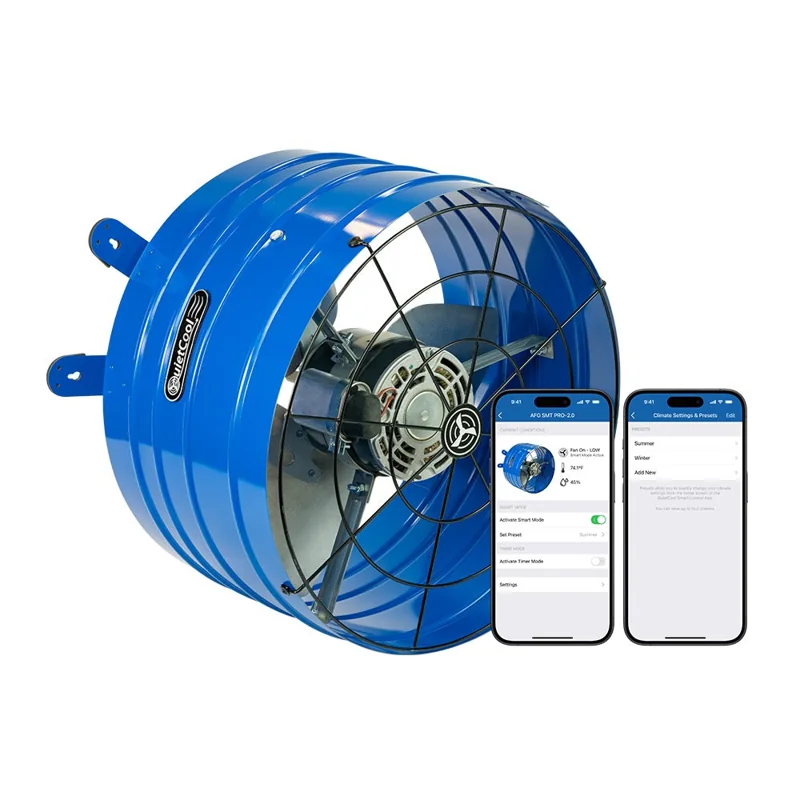
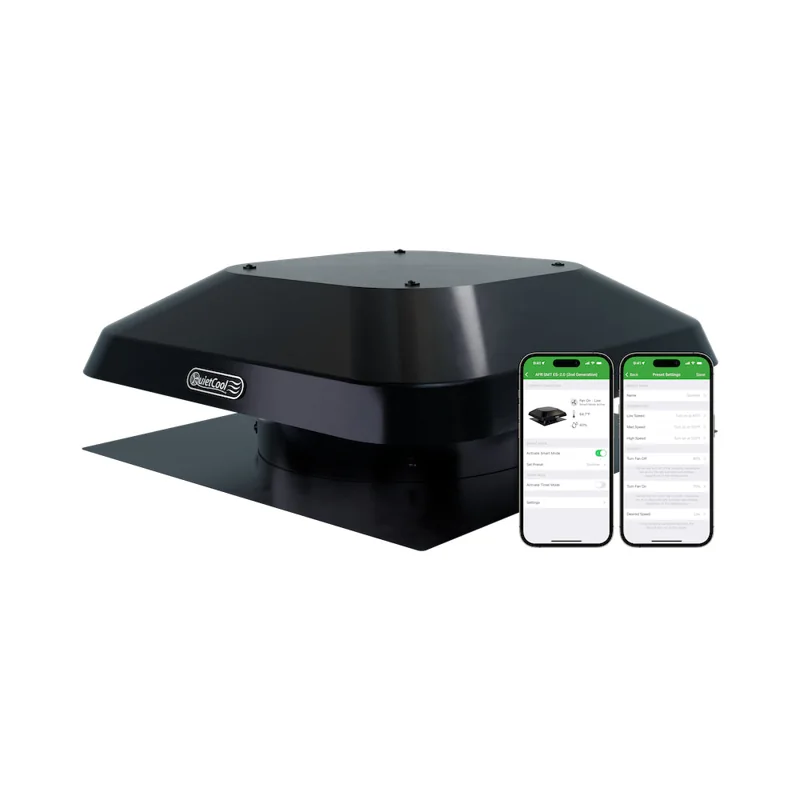
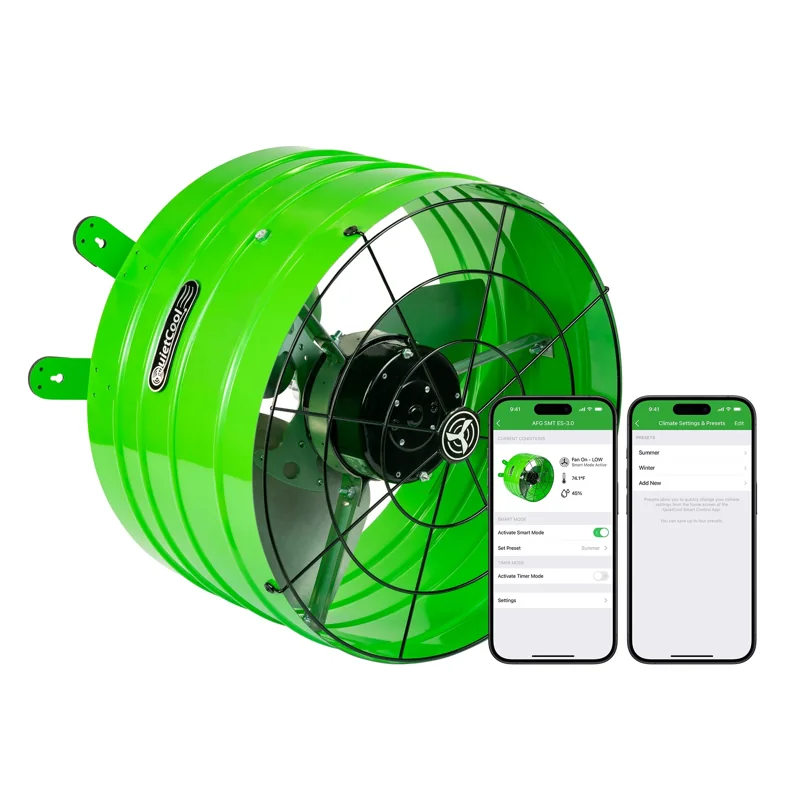
Compare AFG SMT ES-3.0 for a three-speed gable plan, AFG SMT PRO-2.0 for a two-speed gable plan, and AFR SMT ES-2.0 where roof exhaust fits. Check intake first.
A QuietCool attic fan removes air from the roof space. It is a different tool from a whole-house fan that draws cool air through rooms. These three choices compare two gable models with a roof model. We use current catalog facts and published guidance.
Keep in mind: Confirm dimensions, installation scope and suitability with current manufacturer documentation before purchase.
A three-speed ECM motor and a draw as low as 24.6 watts on low support efficient operation. It has a one-piece perforated cylindrical housing.
Factors to consider when choosing a QuietCool attic fan
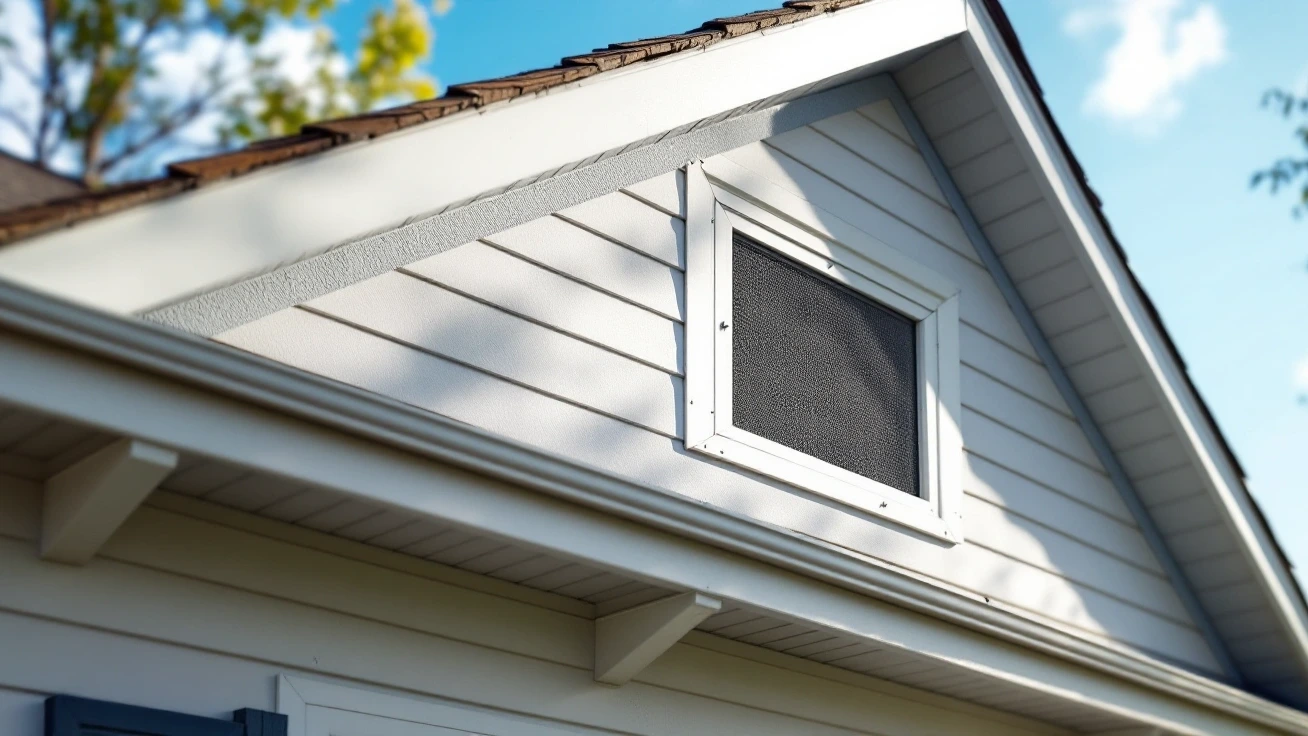
Start with the outlet. AFG units mount at a gable, which is the wall below a pitched roof. AFR units mount on the roof. A suitable outlet needs a sound mount and enough clear space.
A large grille outside can hide a small opening behind it. Measure the actual route, not just the face of the vent.
The two gable picks here have different motor and speed arrangements. ES-3.0 lists a three-speed ECM, a motor with electronic control. PRO-2.0 lists a two-speed PSC motor. Those labels help identify the package. They do not establish the sound level in a bedroom or the energy bill for a house.
Keep listed airflow with its speed and power input. The lowest listed watts need not describe the speed used for the highest airflow. CFM means cubic feet per minute. Do not combine the high airflow with the low power figure to invent a new operating point. A controller label cannot fix that mismatch.
QuietCool attic fan controls and building limits
The three catalog records list app control with a thermostat and humidistat. A thermostat responds to heat; a humidistat responds to relative humidity. Neither tells you why a roof space is damp. Roof leaks, indoor air leaks and blocked outdoor intake need their own checks. More run time may leave those faults in place.
PNNL's attic fan guidance explains how powered exhaust can draw conditioned air through ceiling leaks. Check the ceiling boundary and outdoor intake before adding suction. An attic fan should not use the rooms below as its planned source of replacement air. Combustion equipment adds a further pressure concern.
The comparison uses US catalog listings checked on October 16, 2026. The model numbers distinguish the gable ES, gable PRO and roof ES variants. Product facts are paraphrased, and the selection turns on mounting, motor and control needs. No customer ratings, review counts or installed test results form the basis of the picks.
Read the full supplied guide before choosing a control setting. The AFG owner's guide identifies separate gable models. Match its model list to the unit in hand. A similar family name is insufficient, and older specifications do not replace the current package record.
The AFG guide describes the factory cord and allows for hardwiring where required by the installation rules. An already fitted cord is not a complete electrical scope. Confirm the permitted supply and connection method for the actual unit. Do not read a plug-in catalog description as permission to ignore those requirements.
Verdict: match the QuietCool attic fan to its outlet
Match the QuietCool attic fan to its outlet before comparing an app feature. The gable ES is a three-speed option; the gable PRO uses two speeds. The roof ES suits a different mounting task. Every choice remains conditional on outdoor intake, a safe ceiling boundary and the exact instructions. Start with the attic ventilation overview if the outlet is undecided.
FAQ
How do gable fans work?
A gable fan exhausts air through an end wall of the attic. Replacement air should enter through planned outdoor intake openings. The louver, mounting panel and clear opening all affect that path. It does not act like a ceiling whole-house fan that draws cool air through occupied rooms.
Does smart mean Wi-Fi control from anywhere?
Read the exact controller guide before making that assumption. App control can use a local connection rather than a home internet link. Check its range, phone requirements and available local controls. Record what happens after a power cut and which settings remain in use when a phone is absent.
What is the best temperature to set my attic fan at in the summer?
There is no single setting established for every attic here. Follow the selected model's current instructions and check the building first. A lower setting can increase run time without resolving blocked intake or air leaks. Our thermostat-setting guide explains those limits without inventing a universal set point.
Is the roof model a whole-house cooling fan?
The AFR SMT ES-2.0 in this comparison exhausts attic air through a roof opening. It does not take room air through a ceiling grille. QuietCool has separate whole-house fan families for that task. Identify the inlet and outlet spaces before comparing capacity, controls or a proposed replacement.